Loop Road at Lee State Park
Lee State Park is one of the most interesting places I visit. It is a place that I like to visit frequently, but I still find new things each time I go. While I generally focus my attention on the boardwalk and two of the artesian wells that are located near the swimming area, sometimes I venture to the other side of the park. While the history of Lee State Park can be seen everywhere, it is more prominent on Loop Road.
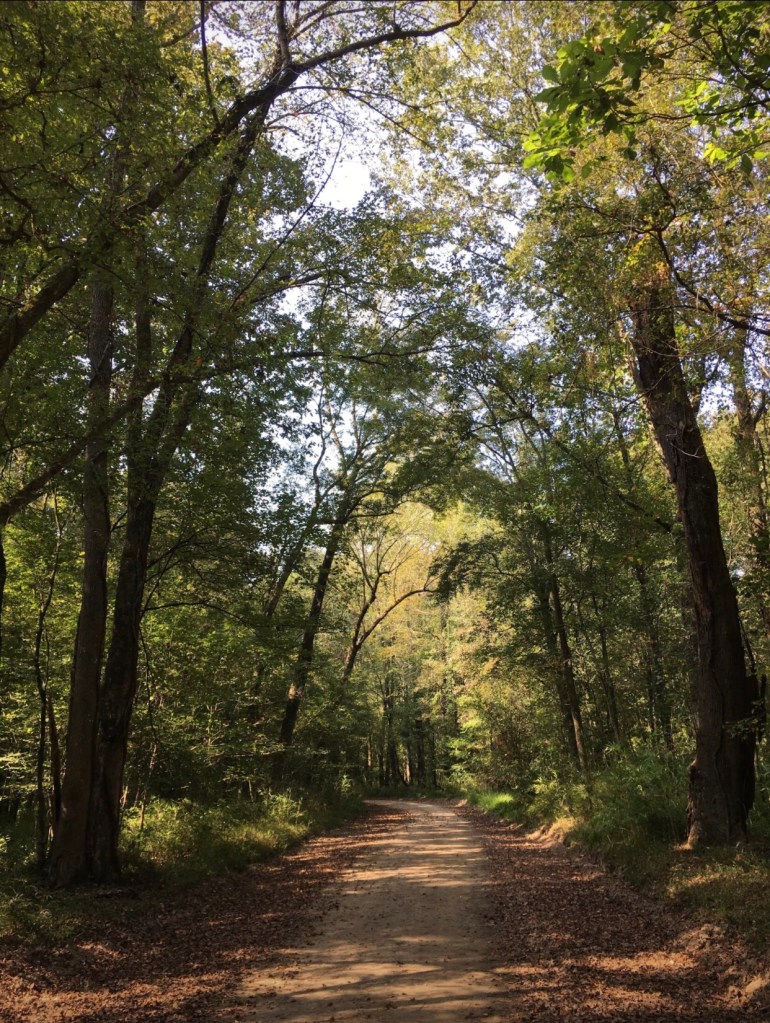
As of the writing of this blog, Loop Road is once again closed off to the public. It had been closed for years, but in August of last year I believe , it was open for a few months, and I went exploring. Half of Loop Road closed down after either a hurricane or either a flood a few years ago, so I was excited to finally see what I had been missing.
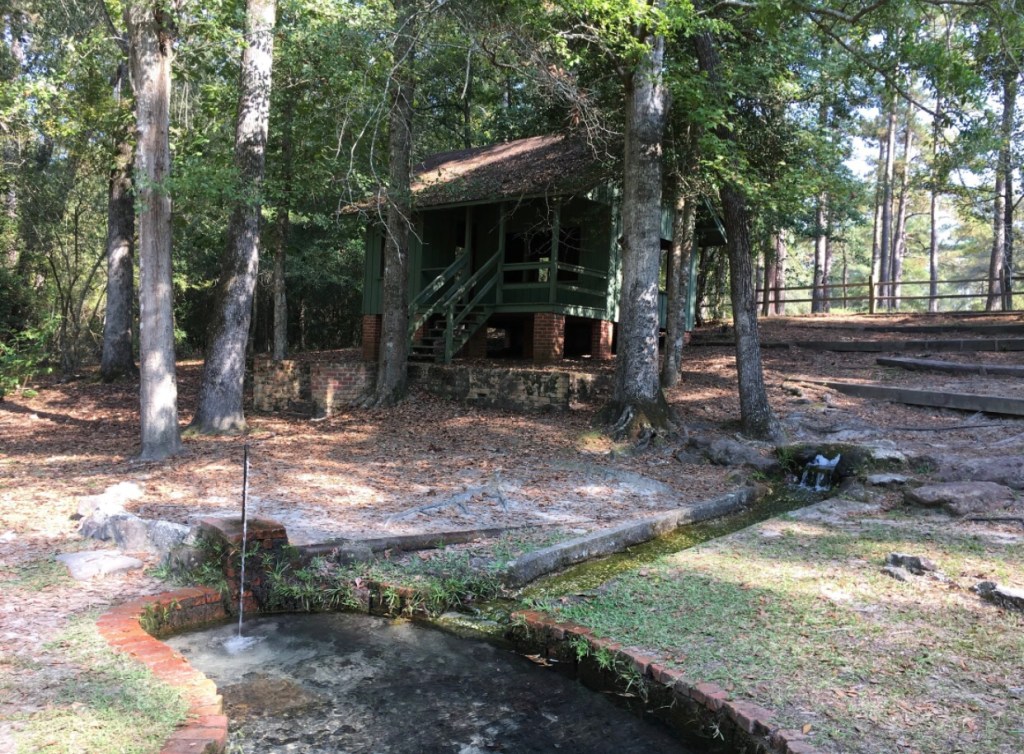
First of all, the cabin pictured below has been accessible the whole time. I found it a few years ago when I first ventured down the part of the road that was open. It is located near the primitive camping area. There is a gorgeous artesian well located beside the house. Several people have said that it has the best water you will ever taste flowing out of it. I tried some of the water out of one of the artesian wells near the swimming area, and I didn’t care for it. To me it had a woodsy taste to it, but if that is what you like, drink that fresh water.
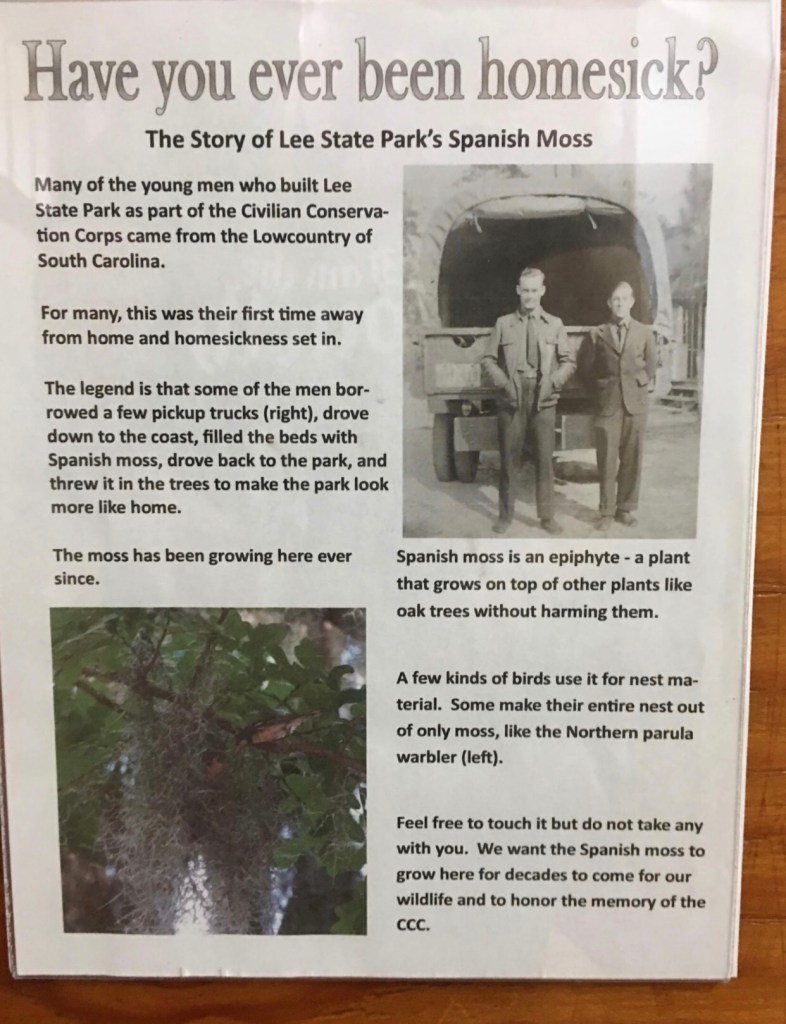
Now to get to the main point of this blog. Lee State Park was built by the Civilian Conservation Corps, better known as the CCC, starting in June of 1935. The CCC built 16 of the South Carolina State Parks, and many of the things they built are still in use today. Many of the cabins that are rented out were built by the CCC, the artesian wells were drilled by them, some of the bridges that we still walk across today were built by them, and I could go on and on.
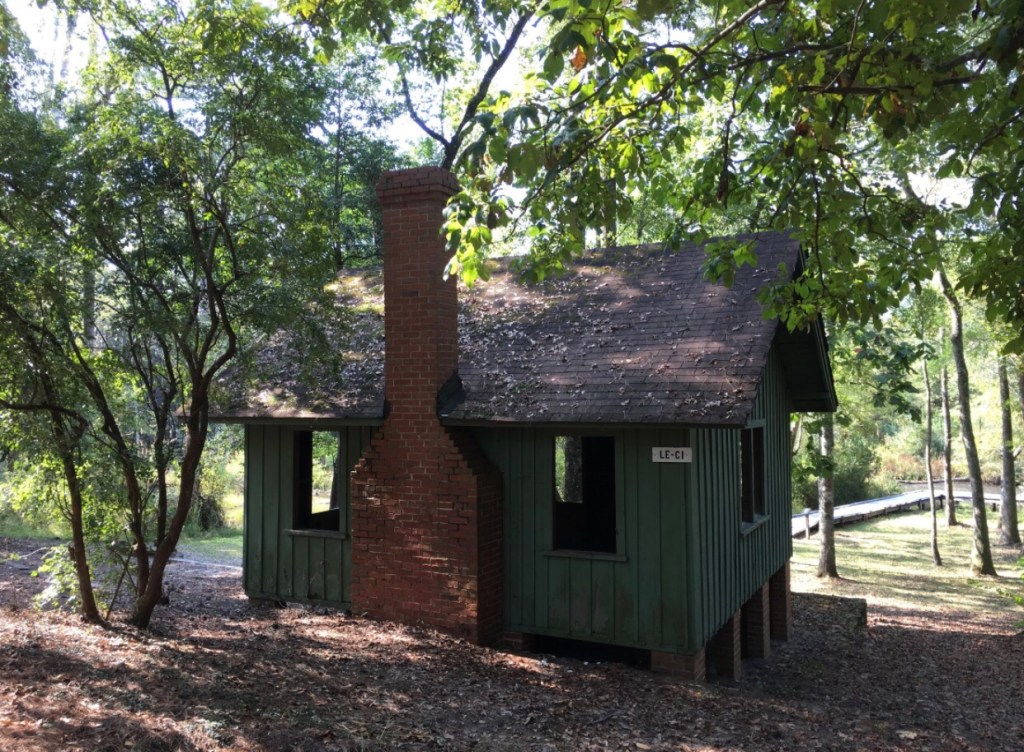
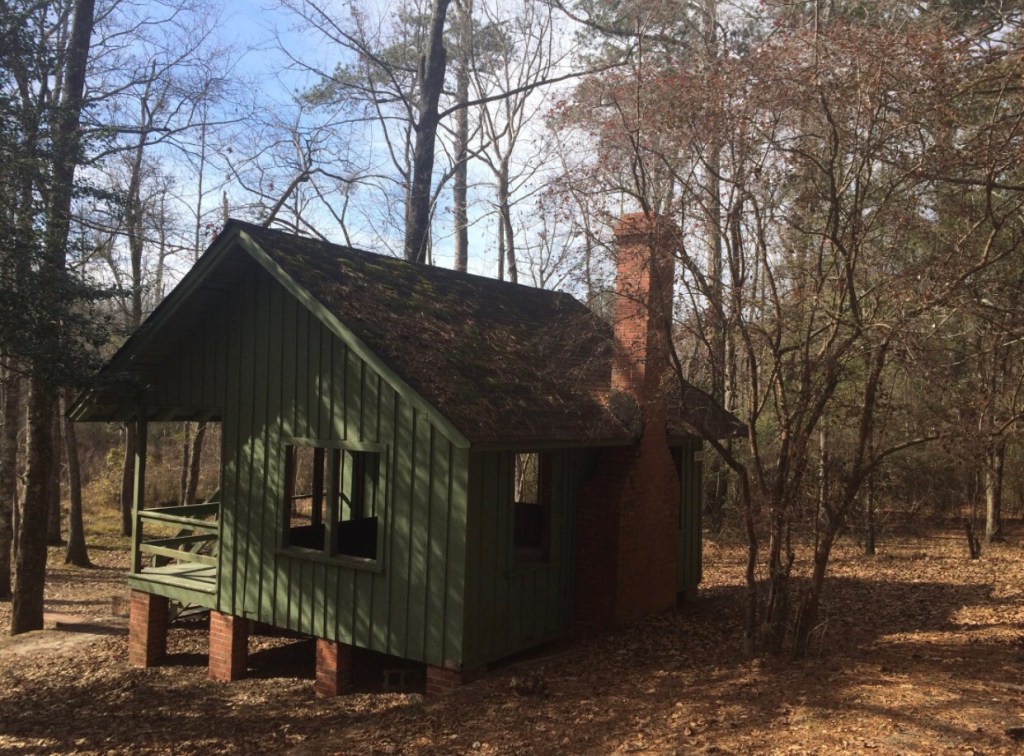
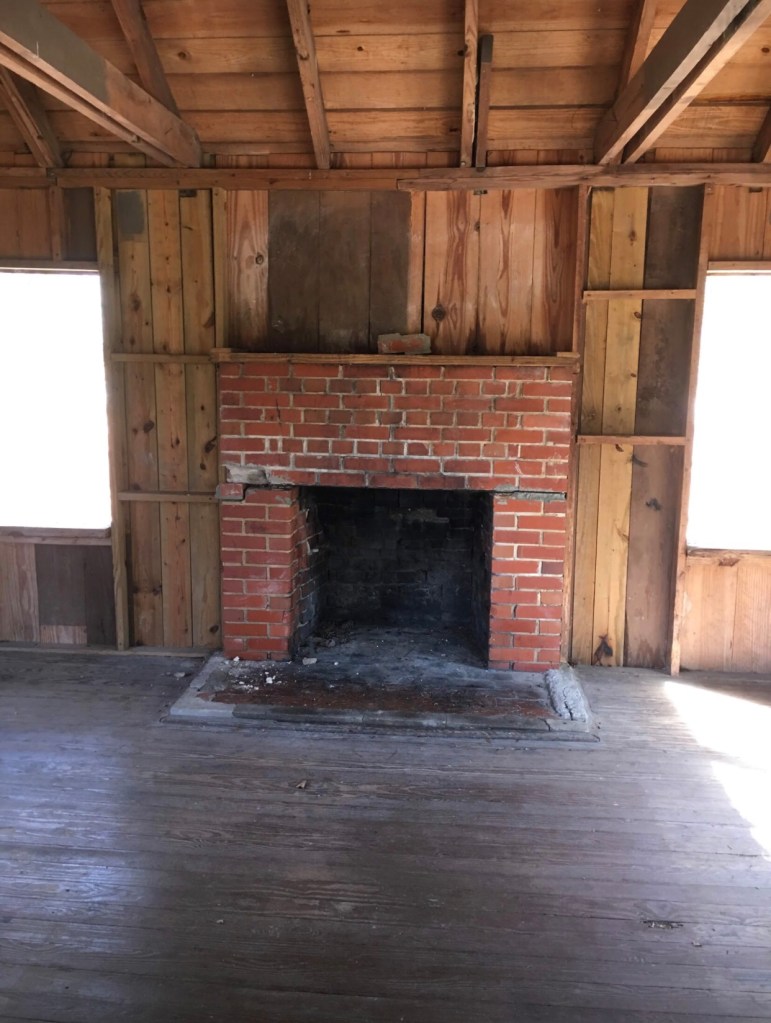
The only remaining CCC cabin remaining at Lee is Cabin #4. According to the South Carolina Parks website, Cabin #4 was one of the last things that the CCC built in 1939 when they were wrapping up building the park. Three other cabins had been built in 1937 and 1938, but they were taken down in the 1960’s since they were deteriorating. Cabin #4 is still standing strong in 2020, and you are free to walk in and around it. I have been in it several times, and I’m just amazed that it has withstood the test of time.
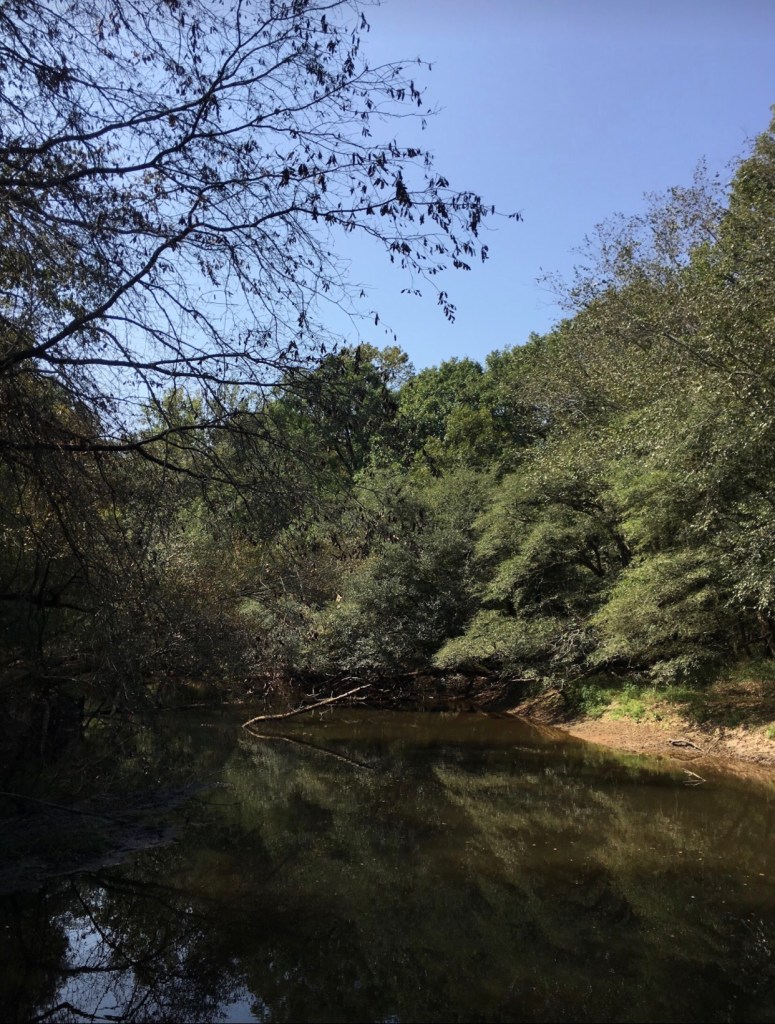
Since Loop Road had been closed for years, I could never get to what I really wanted to see. The Lynches River is located right beside the road, and an interesting piece of history was waiting for me. I had asked a ranger about what I was looking for a while back, but I was told that it was a two mile walk to get to it. Fortunately I waited it out, and my eyes finally got to see what they had been waiting on.
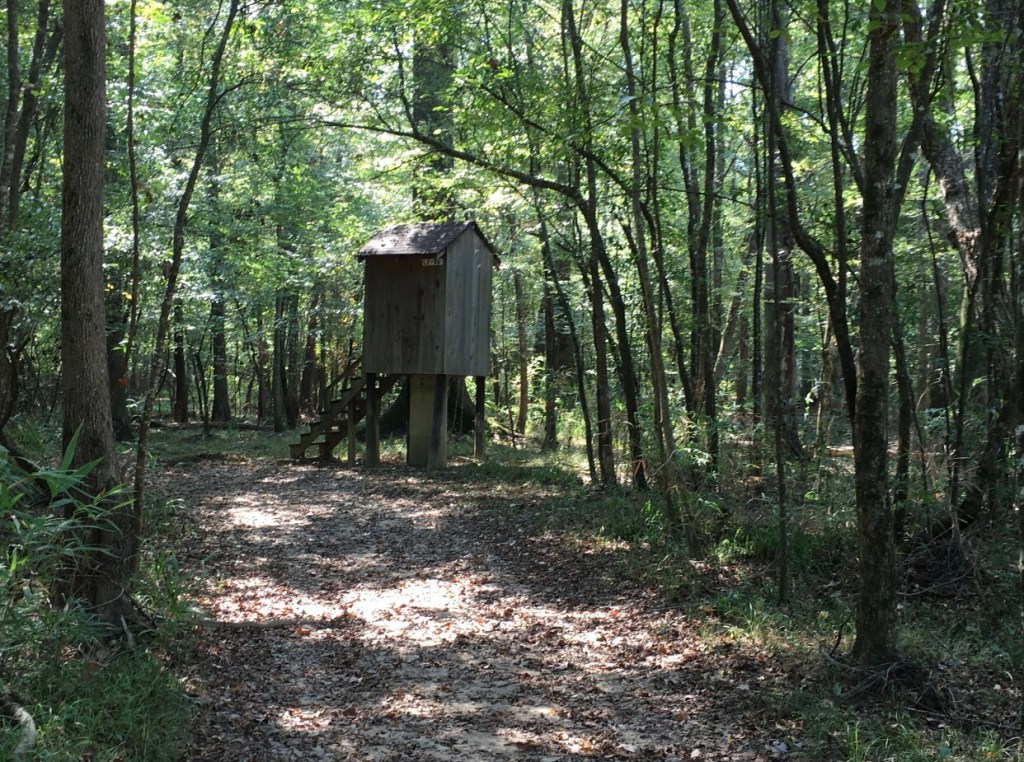
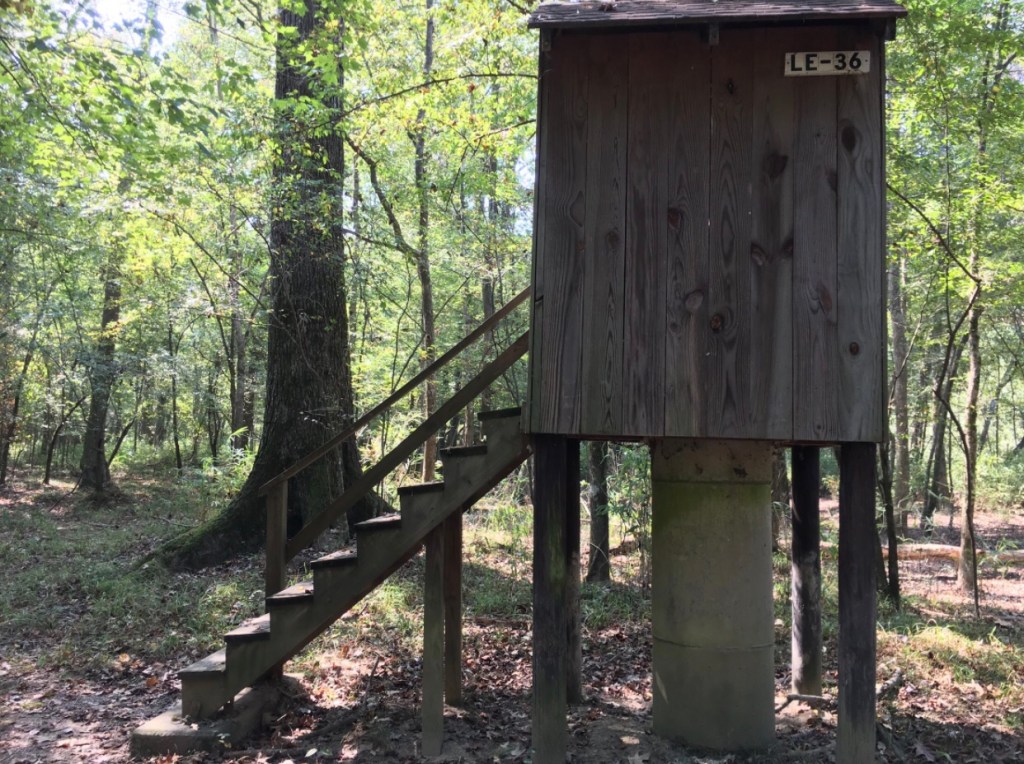
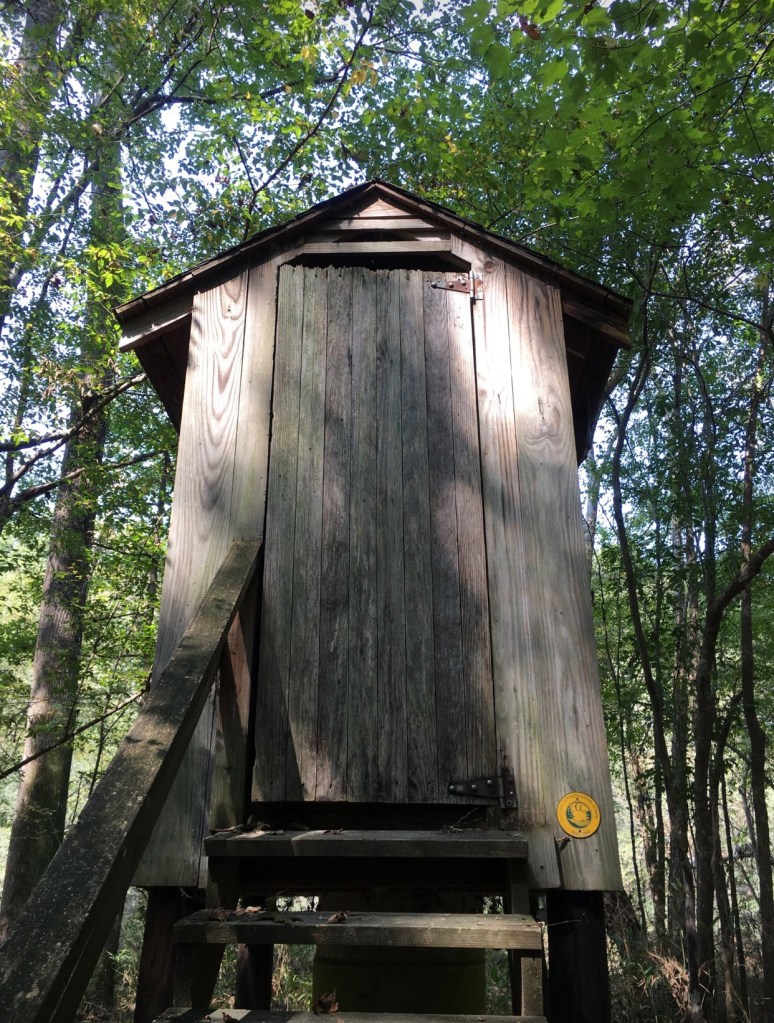
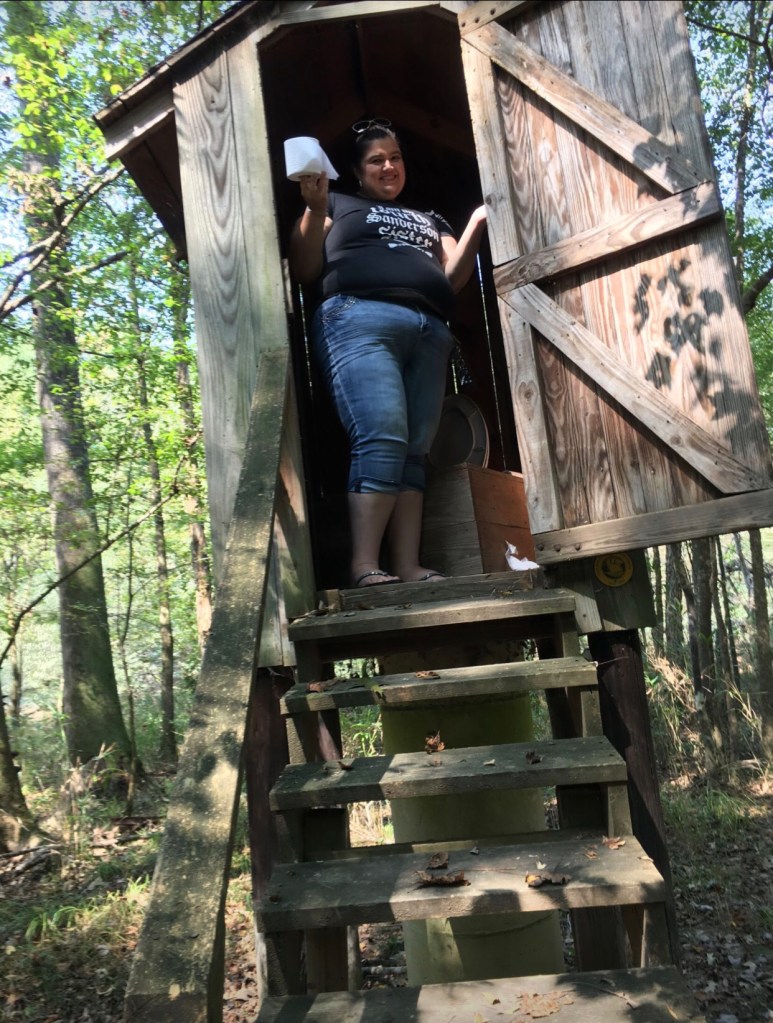
I had read on the website that an elevated outhouse had been built by the CCC in 1938. I have always been interested in strange history, so I wanted to find it. It is known as the “Bird House”, and I can understand why. I was unsure of the exact location, but after talking to some of the friendly rangers at Lee, I was on my way. I had already drove past the road that lead to the outhouse, so after leaving the park office, I set off on Loop Road yet again. I found the little road to the side that would take me to what I had been searching for for years. The outhouse was back there waiting for me to see.
I parked my car, and off I went. I stopped to look at the amazing view of the Lynches River, and then I went to see the outhouse. I’m fairly certain that it has been repaired over the years since it looked really sturdy, but it was still exciting to finally find it and see it. A set of steps led up to it, and when the door was opened, an actual modern day toilet seat was on it, and a roll of toilet paper was up there as well. Apparently it is still used, but I can guarantee you that I did not use it. I came back down the steps, and took a few more pictures before I left. One of my bucket list adventures had been fulfilled. It’s strange, but I do love history.





Lee State Park is a free admission South Carolina State Park. It is located at 487 Loop Road in Bishopville, South Carolina. The official time that it is open is from 9am until sunset each day, but I really don’t believe that they ever lock the gate. There is a campground there that is very popular, and horse lovers love to ride their horses on the trails. I can honestly say that everybody at this park is friendly and very informative in their jobs. When Loop Road does completely open again, you should definitely visit and see all of this living history for yourself.

 travelingthesoutheast.com