Colonial Dorchester State Historic Site
It’s not often that you get to walk on top of a village that is buried right underneath the ground, but if you ever visit Colonial Dorchester State Historic Site in Summerville, South Carolina, that is exactly what you get to do.
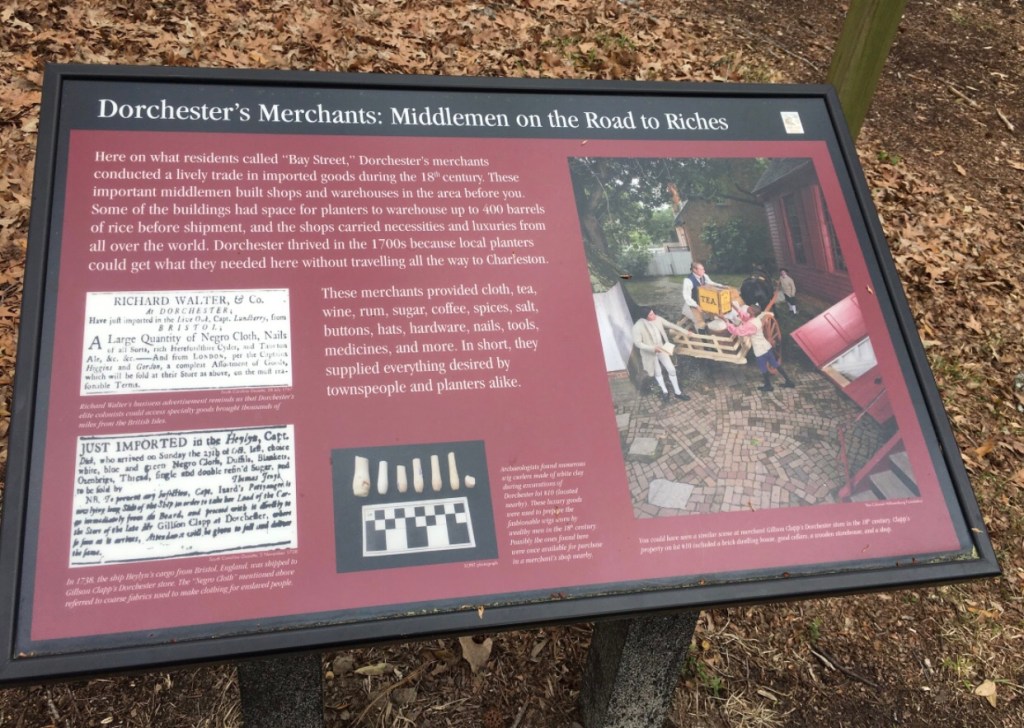
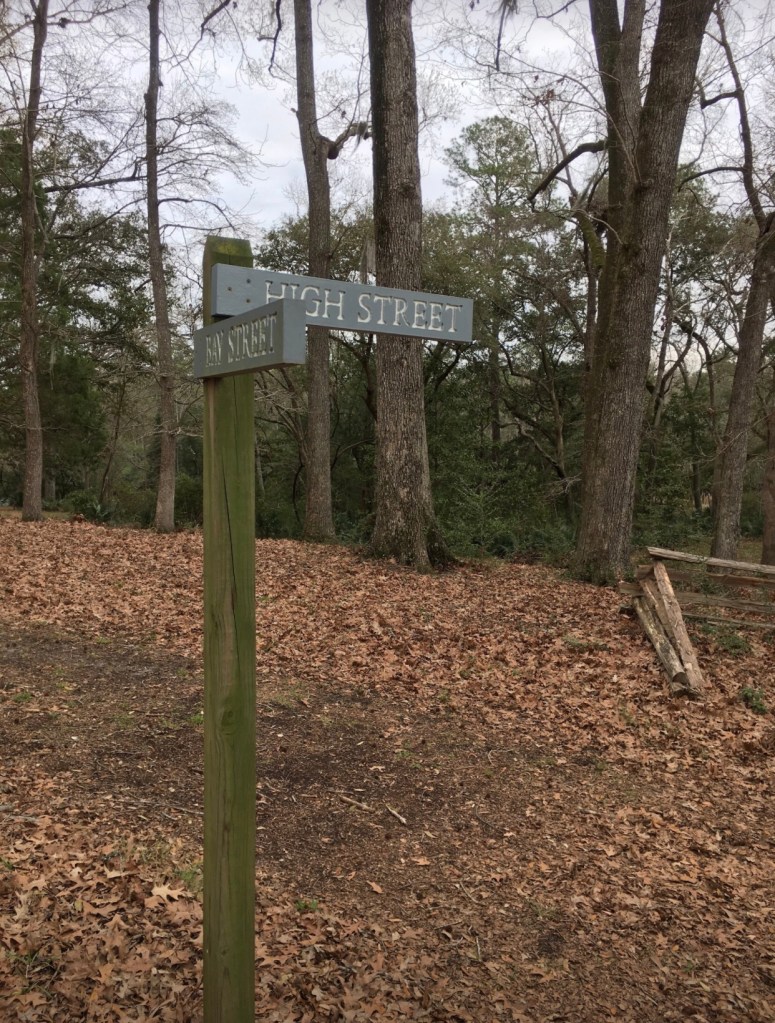
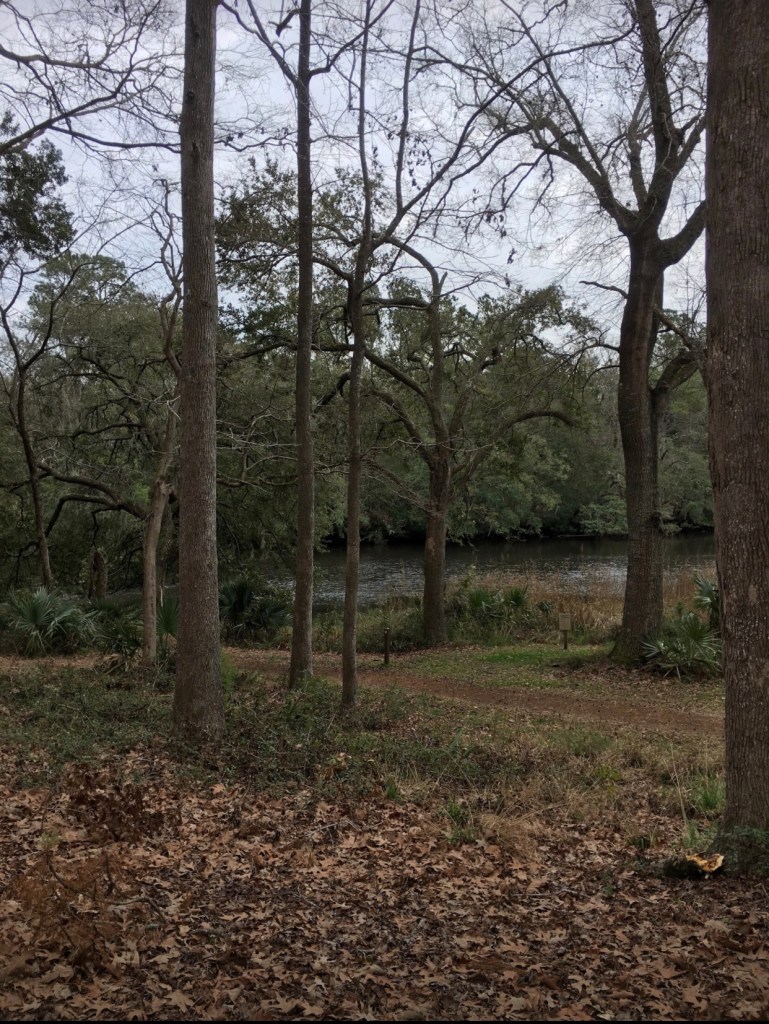
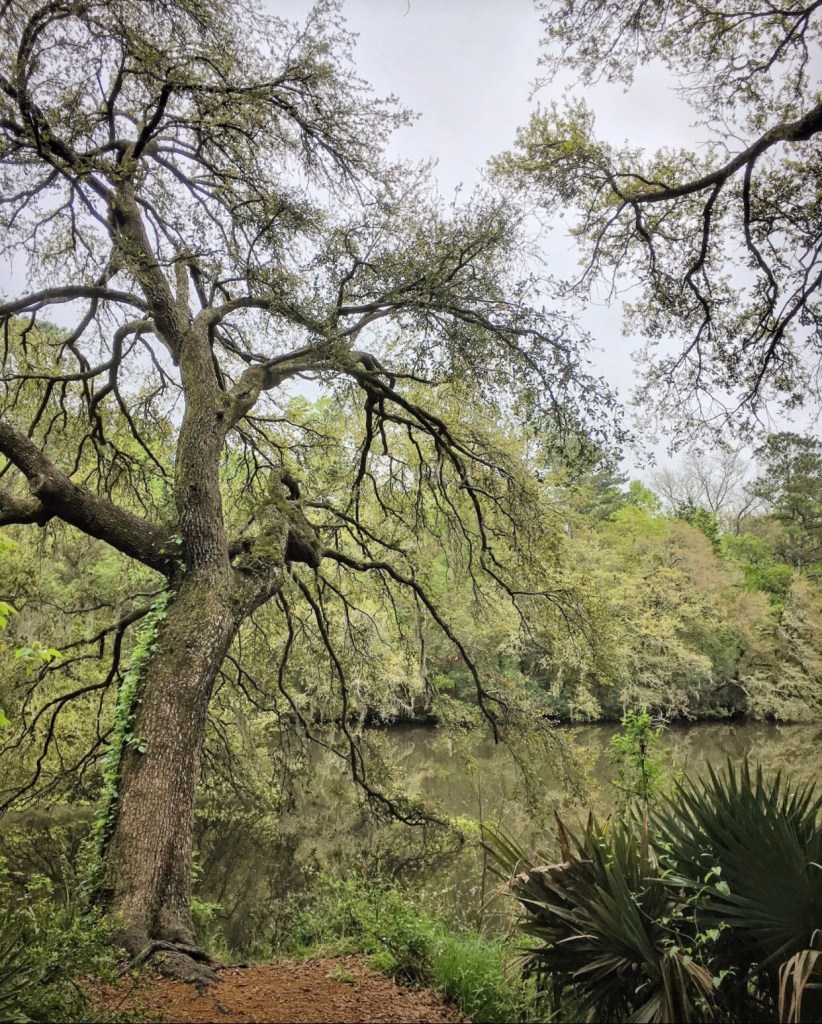
The site dates all the way back to 1697 until the Revolutionary War. A group of Congregationalists from Massachusetts settled the town that would be named Dorchester after the town that they had left in Massachusetts. During Colonial times the site was used as a trading post, and that worked out well since the Ashley River flows alongside the site, and Charleston is connected to the river. Signs are up today showing which street you are currently walking down from the village all those years ago.
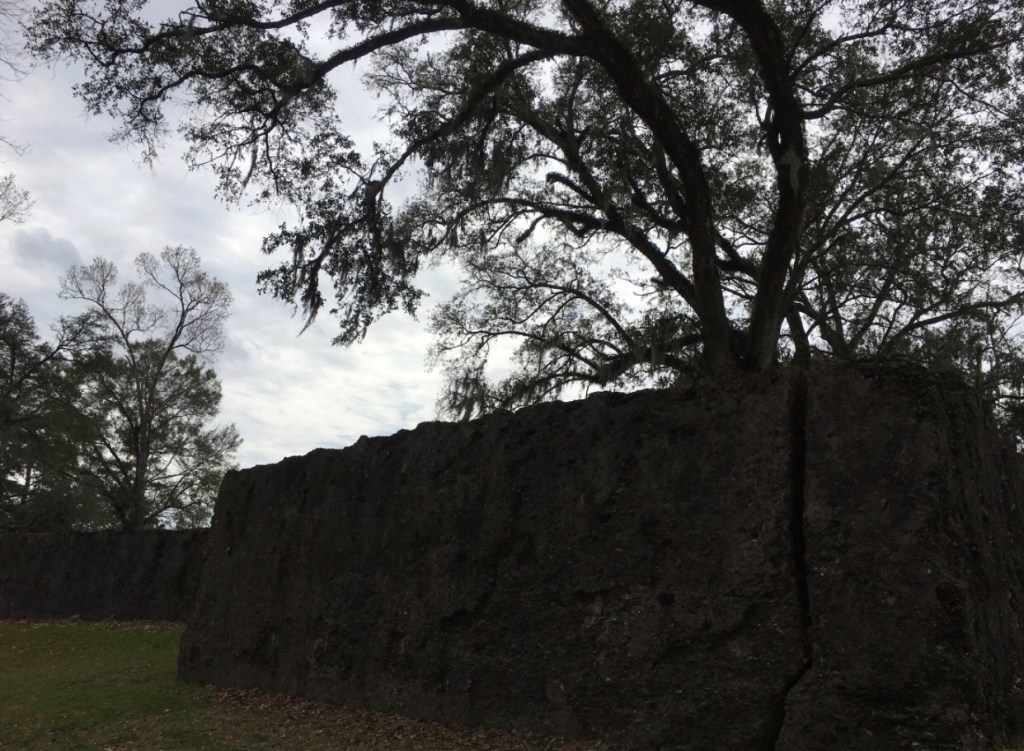
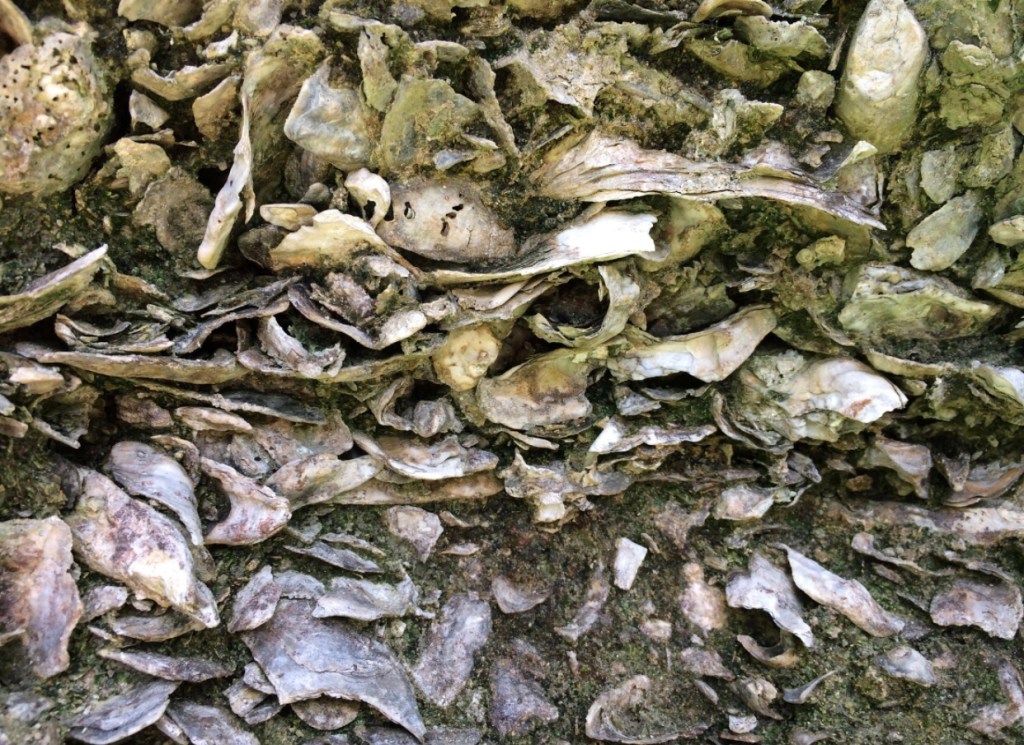
Fortunately a couple of structures from the Colonial days are still above the ground. An old tabby fort that was built around 1757 still stands today. It was built with oyster shells, and you can see them for yourself if you visit here. Apparently the fort was white when it was completed, but it is a grayish color today due to it being a couple of centuries old now, and being exposed to all of the harsh southern weather. According to a website that has information on the fort, President Theodore Roosevelt visited the fort in 1902 when he was visiting the Charleston Lowcountry. This is another historic site in the state parks system that has the honor of being visited by an American president.
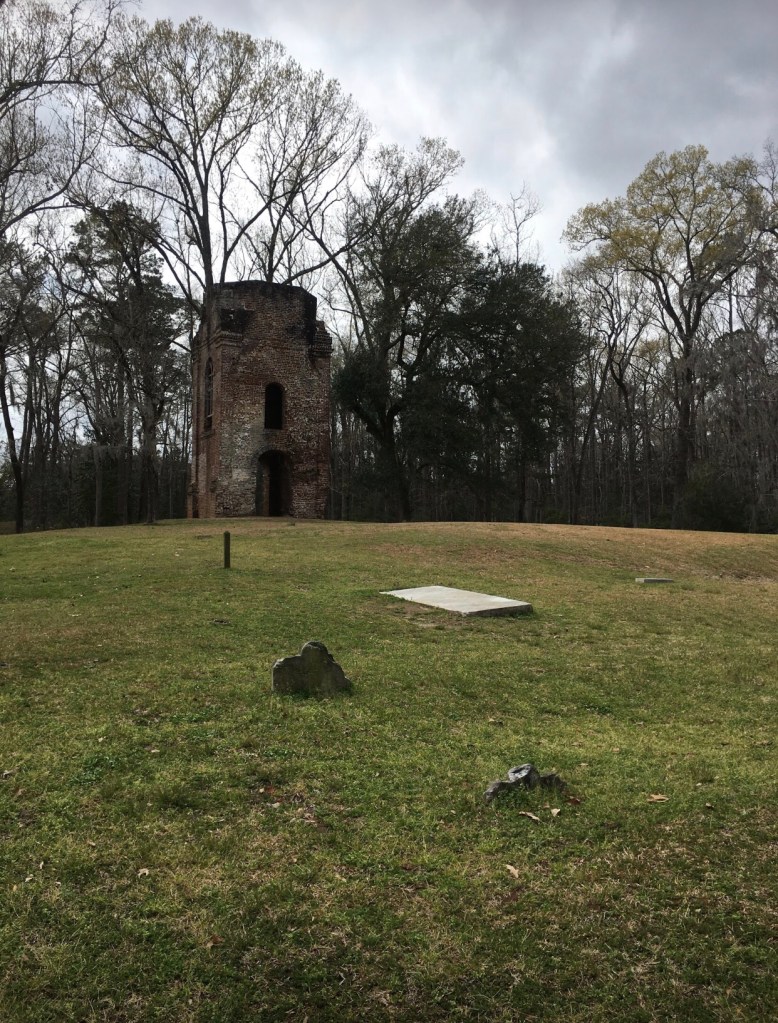
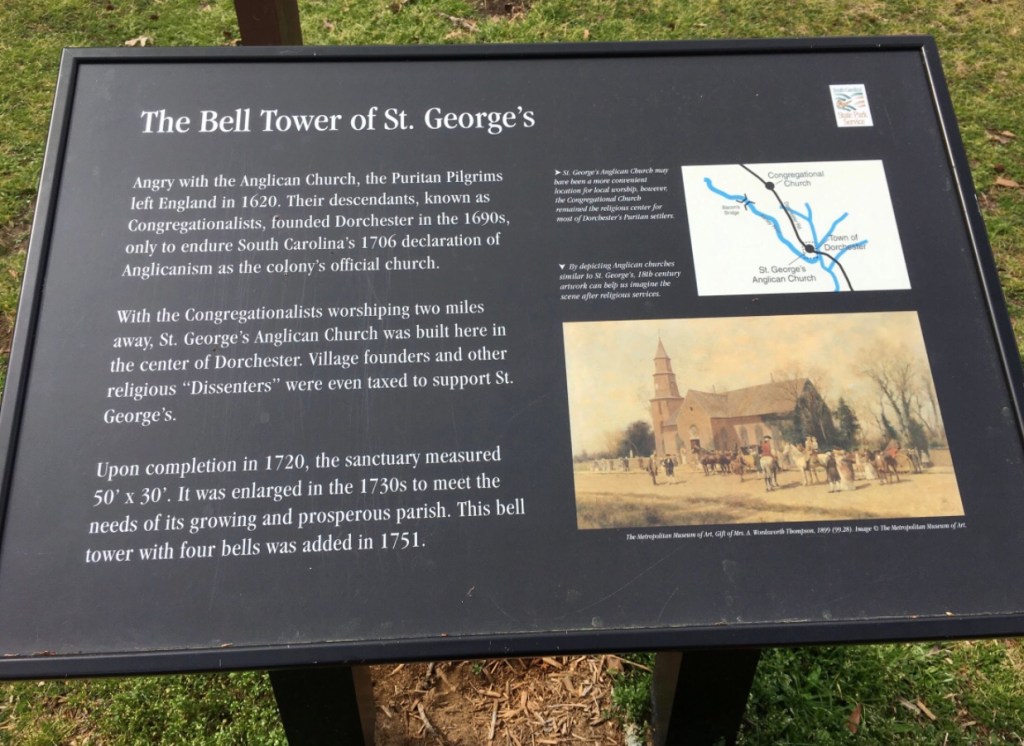
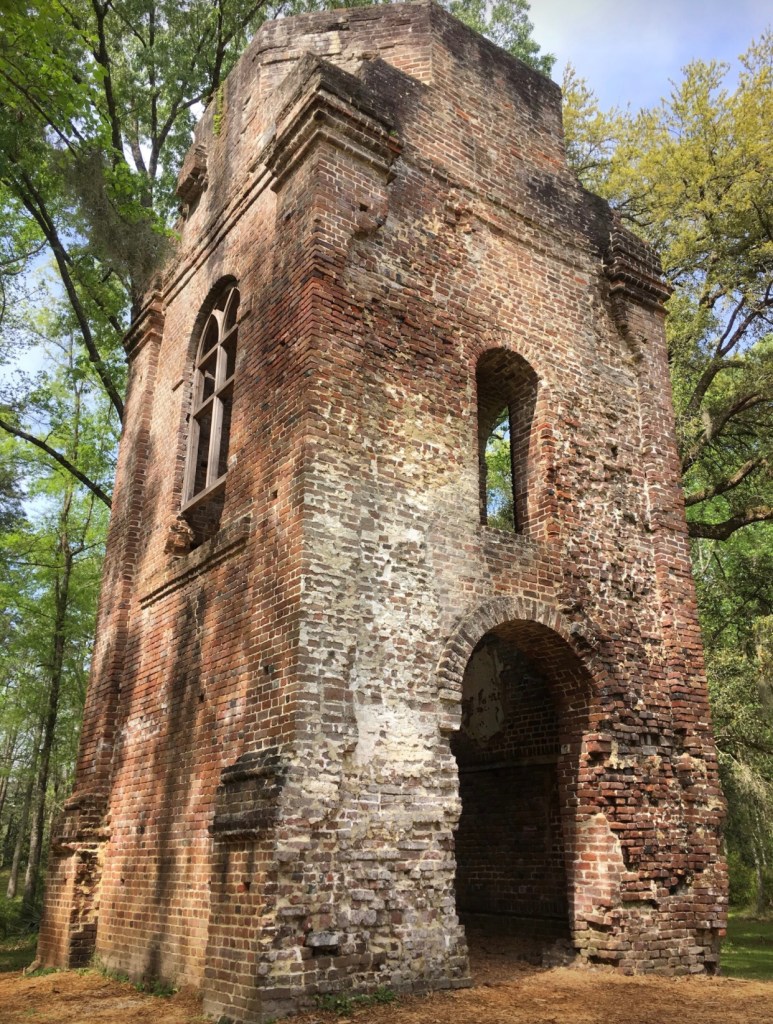
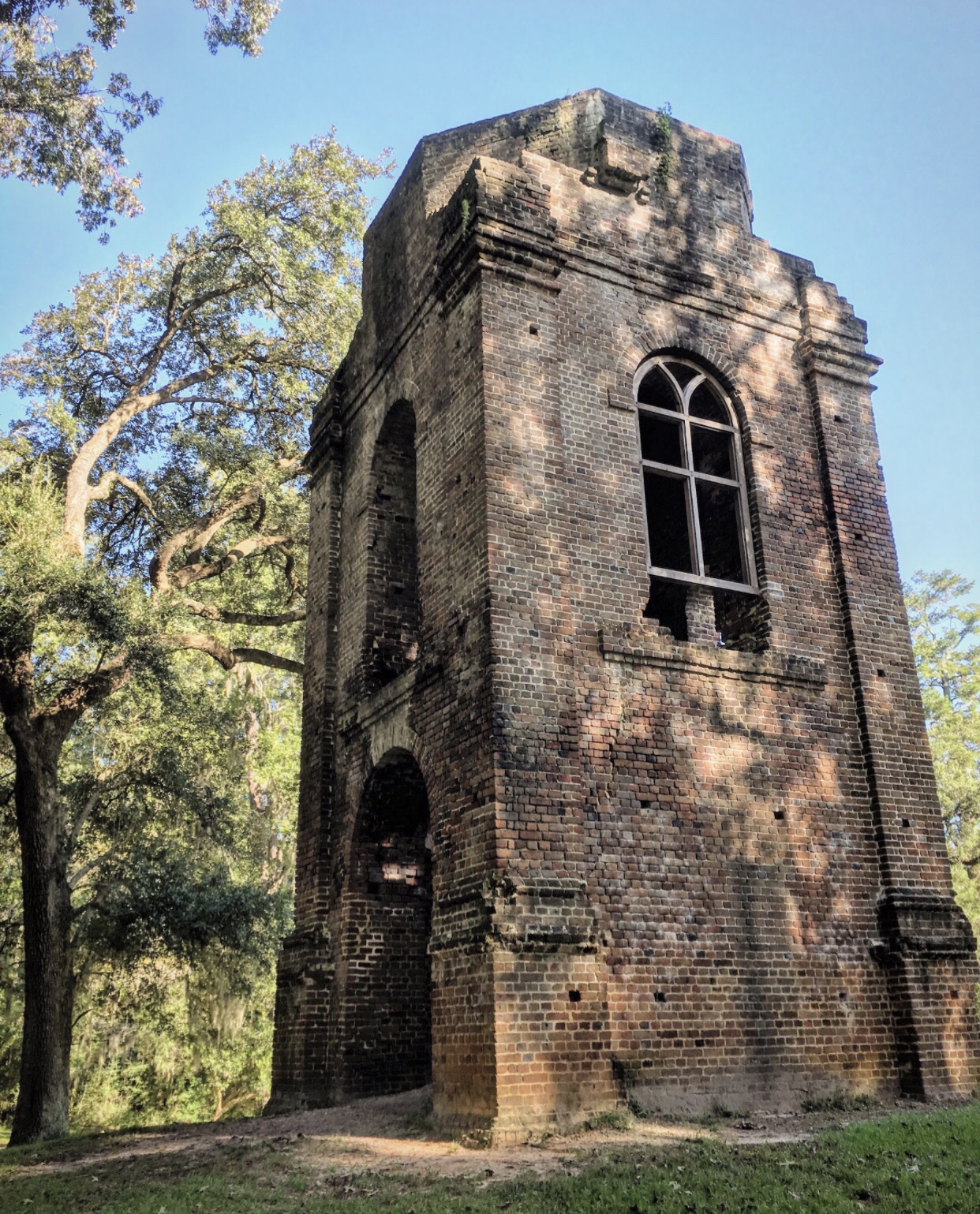
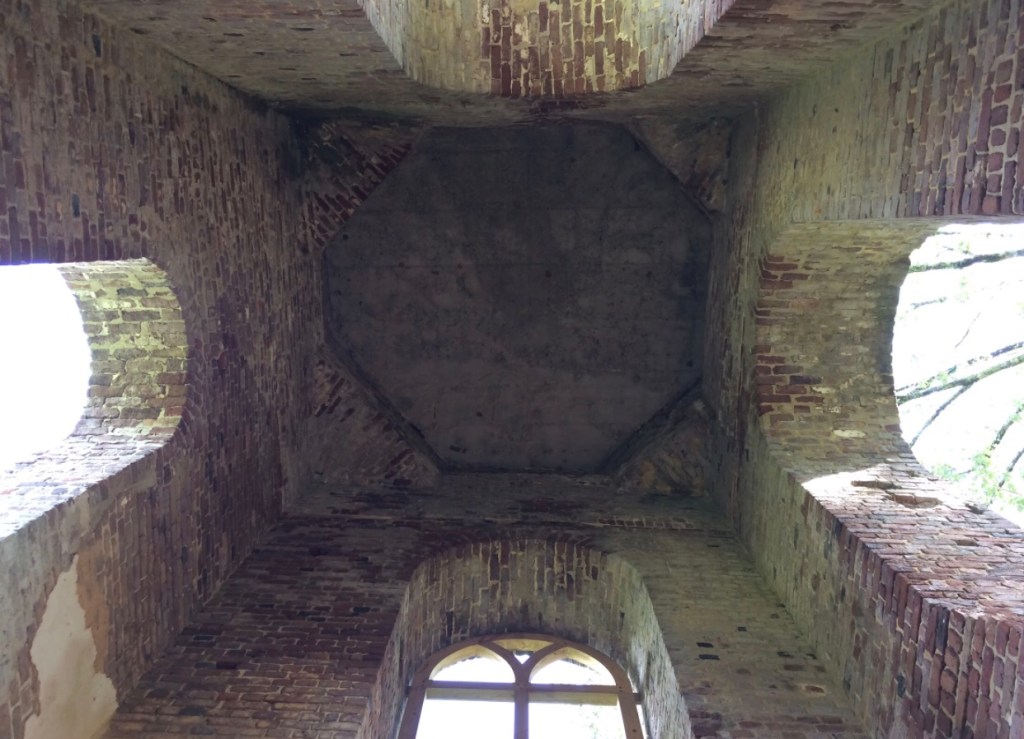
The most photographed piece of history that is still standing at Colonial Dorchester is the old brick bell tower from St. George’s Angelican Church. The church was built in 1719, and the bell tower was built in 1751. An earthquake in 1886 almost took the bell tower out, but instead only collapsed the belfry and basically split the bell tower in half. In the early 1900’s, steel ties were placed around the tower to help preserve the remains. I believe that a ranger said on a tour that I was on last year that the park service completely repaired it in the 1970’s, so what we see now is the finished work from that period of time. Until I took that tour, I always thought that the bell tower looked how it did when it was built. It pays to pay attention to history sometimes.
An old cemetery is in front of the bell tower. It is the St. George Parrish Cemetery. Many of the grave markers are very hard to read now due to the age of them. A few are cracked in half. You can see the repairs that have been given to some of them that are trying to be preserved. I didn’t get a lot of pictures on this visit since other people were walking around the cemetery, but you can see that it is well taken care of.
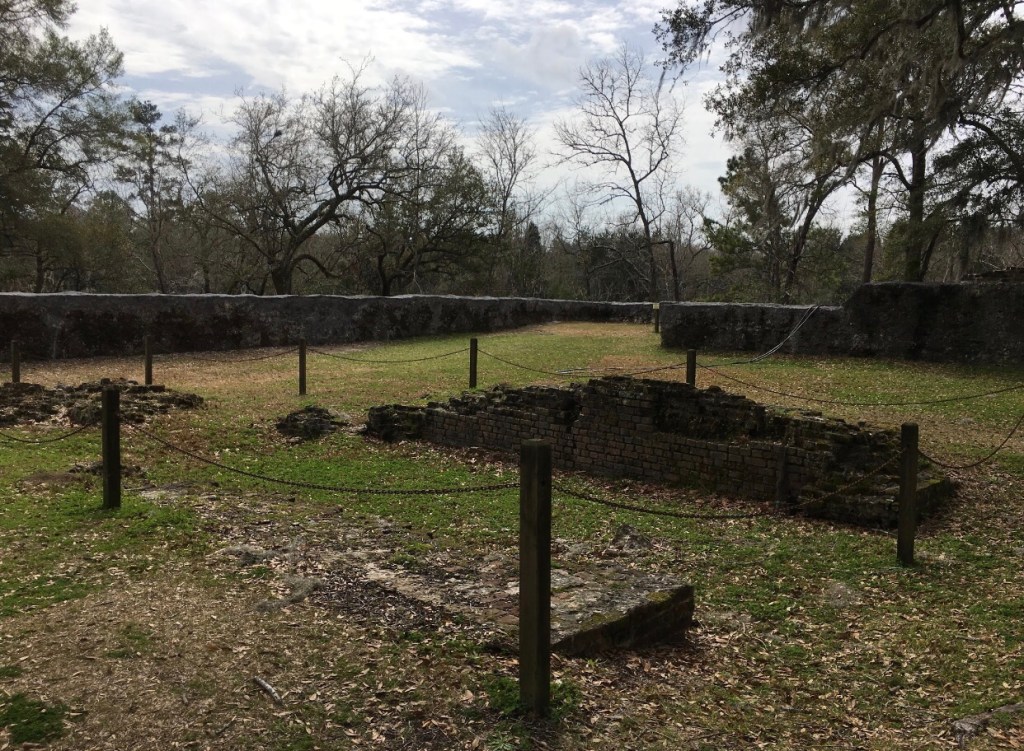
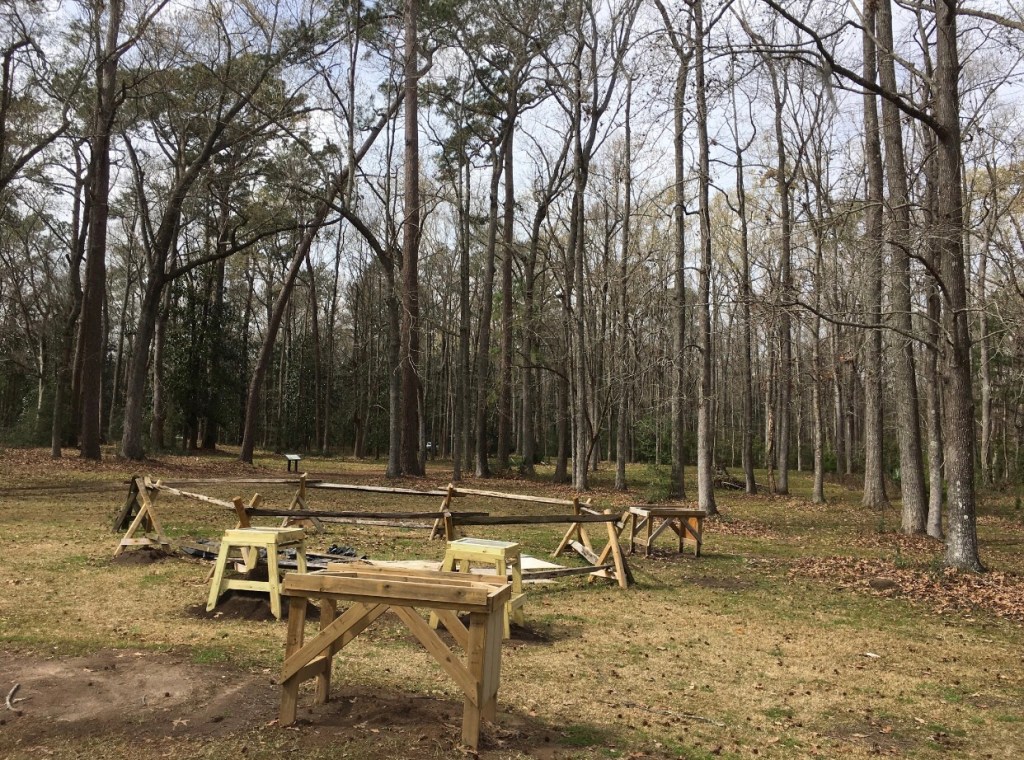
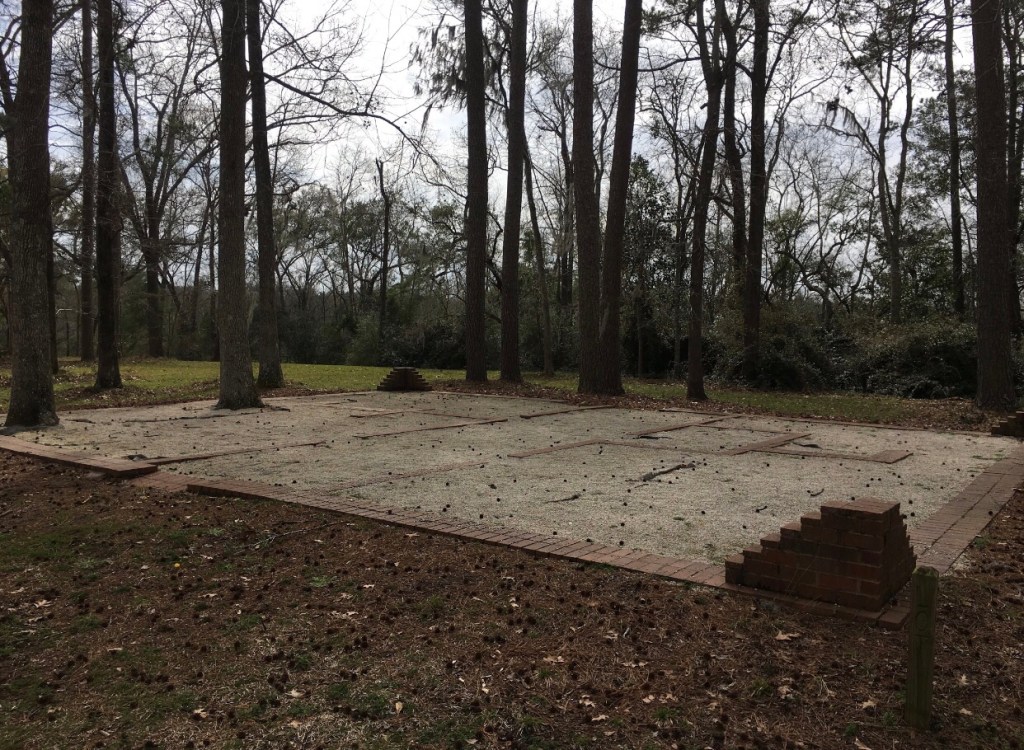
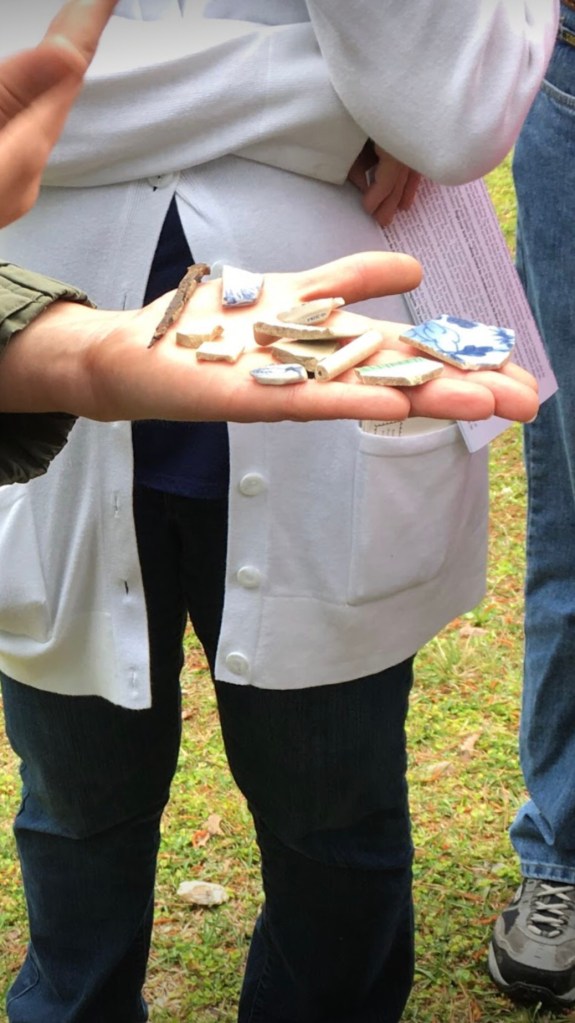
Archeological digs are always being done at this park. If you happen to visit on a day that the archeologists are digging around the remains, you can actually see the foundations of the town that is underneath the ground. You can see how the rooms in the houses were divided and even where fireplaces had been. It is so interesting to see the remains of what was once a thriving town, and you can imagine what it would have been like to live during that time.
Unfortunately when the Revolutionary War broke out, the town was abandoned. As with anything, if nobody is around, nature will reclaim what was built back to how it originally looked. The forest that was around the town reclaimed the site, but that actually helped preserve the remains of the village. The land owners that had lived near the town salvaged many of the bricks that were leftover from the abandoned town to build their own houses, but the earthquake in 1886 completely destroyed what had been left of the town, except for the two structures that still stand today.
In 1969 the site got a new life when it was donated to the South Carolina State Park Service. The repairs that were needed to be done to the remains of the town were taken care of, and now it is open to the public so future generations can visit a part of the past. Events happen all the time at the park to get people out to learn about the history of the park. One of the best ones I have been to is “To Settle a Town”. An archeologist ranger will give a walk and talk about the history of the town and the people who lived there. I highly recommend that hour and a half tour.





Colonial Dorchester State Historic Site is located at 300 State Park Road in Summerville, South Carolina. It is open daily from 9am until 6pm except during standard time, when it then closes at 5pm. It costs $3 for adults to visit, $1.50 for SC seniors, $1 for children aged 6-15, and if you have a child that is 5 or younger, it is free for them to visit. While this is a smaller park, it is a very impressive park. Depending on how long you choose to visit, it can take anywhere from thirty minutes to several hours to see everything this park has to offer.

 travelingthesoutheast.com
I’ve been to this park a few times. Beautiful place. Supposedly haunted, too.
LikeLiked by 1 person