Kalmia Gardens
Do you ever wonder how or when towns got their names? I do, so here comes the story of Hartsville, South Carolina and one of its greatest features, Kalmia Gardens.
According to the official website for Kalmia Gardens, back in 1772 King George III granted Benjamin Davis 200 acres of land, and some of that land included what is known as Kalmia Gardens today. Over the years, the land was divided up and changed owners many times until 1817 when Thomas Edwards Hart obtained the property.
Around 1820, Thomas Hart had built a house that was built with the wood that had been cut from the trees on the property. He brought his bride, Hannah, to their new home, and eventually the family grew to eight children. The original size of the home that was built is not the huge one we see today. The original house only had four rooms, which was a typical farmhouse of that time.
As the family grew, so did the size of the farm. The property grew to 1,223 acres that had some wild lands, but also was very productive in growing tobacco, cotton, and many other types of crops that would have been popular during that time. Mr. Hart was a successful man. He became the first postmaster in the area, a justice of the peace, a captain of a local militia company, and also a merchant. By 1837, the Society Hill native had a town named after him, and Hartsville was born.
Unfortunately, Thomas Hart passed away in 1842 at the age of 46. He had a huge financial loss in the panic in the late 1830’s, and it is believed that his loss of fortune is what caused his early death. Hannah continued to live at the house until 1859. I’m not quite sure if she died at that time or not since the website I did my research on didn’t specify what happened to her.
One of the settlers to Hartsville was Major James Lide Coker. He was the leader in changing the small community into a city. One of his sons wrote a book that described the area that was around the Hart House. Over the years many people had lived in the house, but the property was eventually a neglected dump site. Dr. William Chambers Coker was able to purchase the property, and he gave it to his sister-in-law, May Coker, as a gift. She was the wife of David Robert Coker.
By the time Mr. Coker had purchased the property, it was known as “Laurel Land” because of the amazing amount of mountain laurel, which is known as Kalmia latifolia. Due to the strange terrain that was behind the Hart House, there is a sixty foot drop behind the house to Black Creek, the mountain laurel thrived in the area. Hartsville is a good three hour drive to the mountains of South Carolina, but a piece of the mountains lives in this area still.
Mrs. Coker was a beloved member of the community, and she was affectionately called “Miss May” by all of the locals. She was an avid gardener, and she is the one that made what was once a dump site into the beautiful and beloved gardens that it is today. She, along with a few men and a mule, worked tirelessly to make her vision for the garden come to life. They carved out trails into the woods, planted azaleas, camellias, wisteria, and other plants to add beauty to the new trails. What is a garden without a pond? An artesian well that is down the bluff feeds the pond that was dug. The artesian well still flows freely to this day. I never knew this, but old railroad ties are what was used to cut down on the steepness of some of the trails. How cool is that?
If you recall the four room farmhouse from earlier, Miss May added a dining room, bedroom, sitting room, and a kitchen to the house so it would fit the needs of her family. I have personally been inside the house during the Christmas celebration that is held in December, and I have to say that it is absolutely gorgeous inside. A picture of Miss May is in the house, and my personal favorite room is the one that has the piano in it.
Kalmia Gardens opened to the public in 1935. In 1965 it was given to Coker College in honor of her late husband. Today it is used as a public garden and an outdoor classroom. The Hart House is still actively used, which is good because if a house isn’t lived in, it dies.
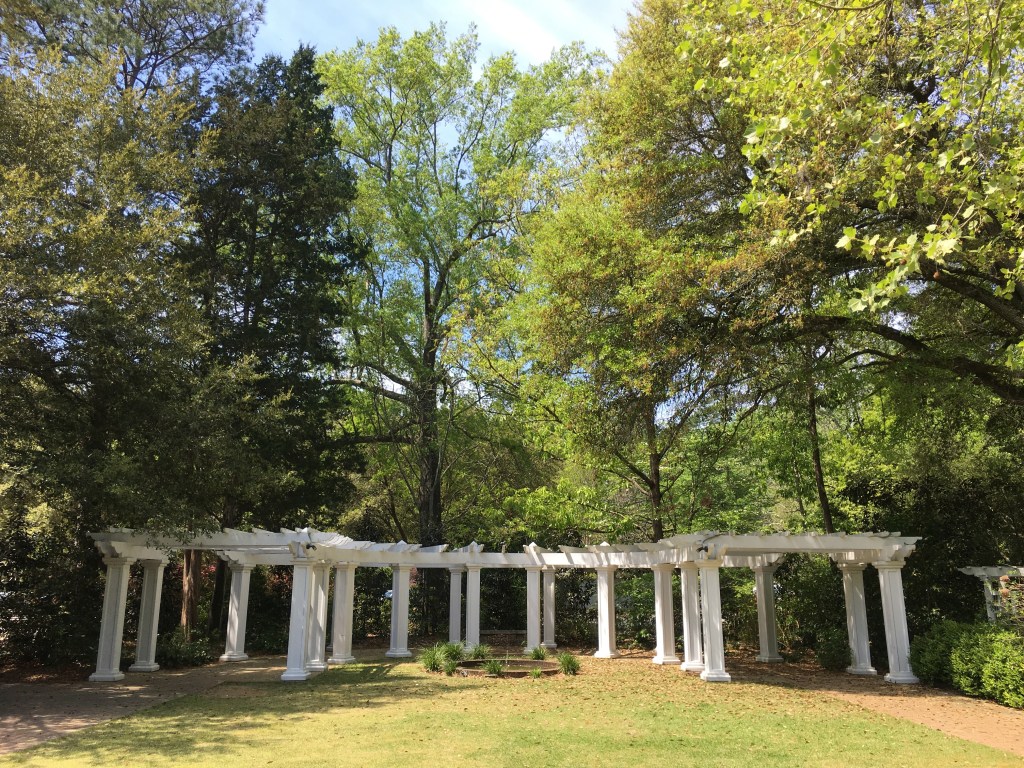
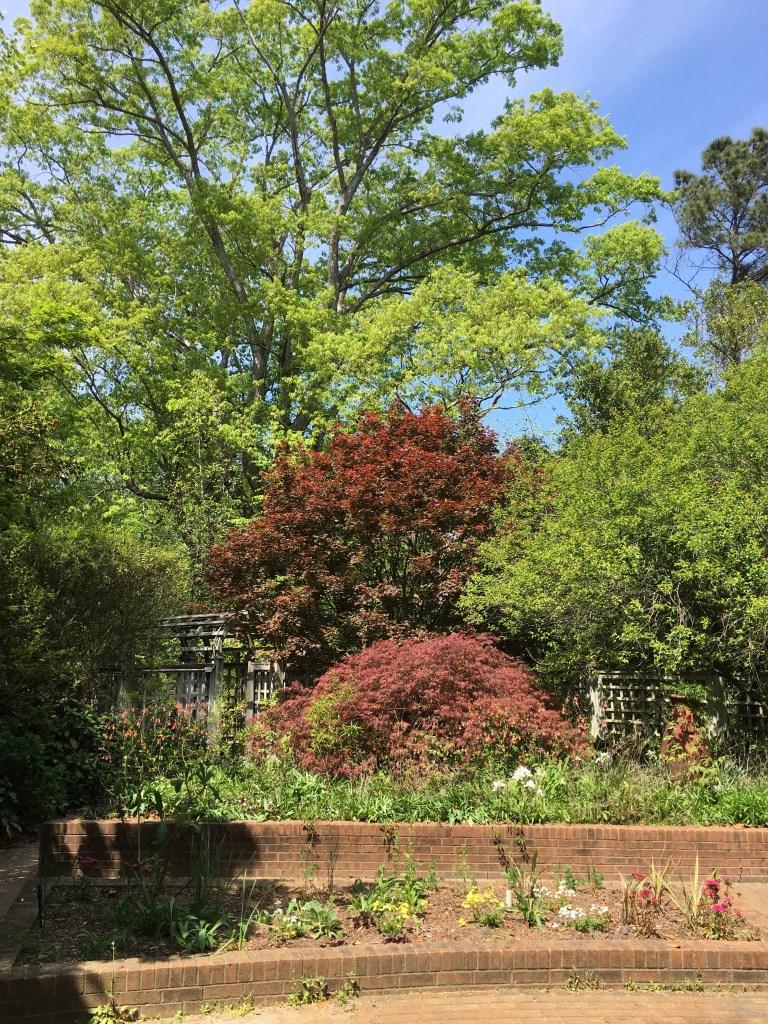
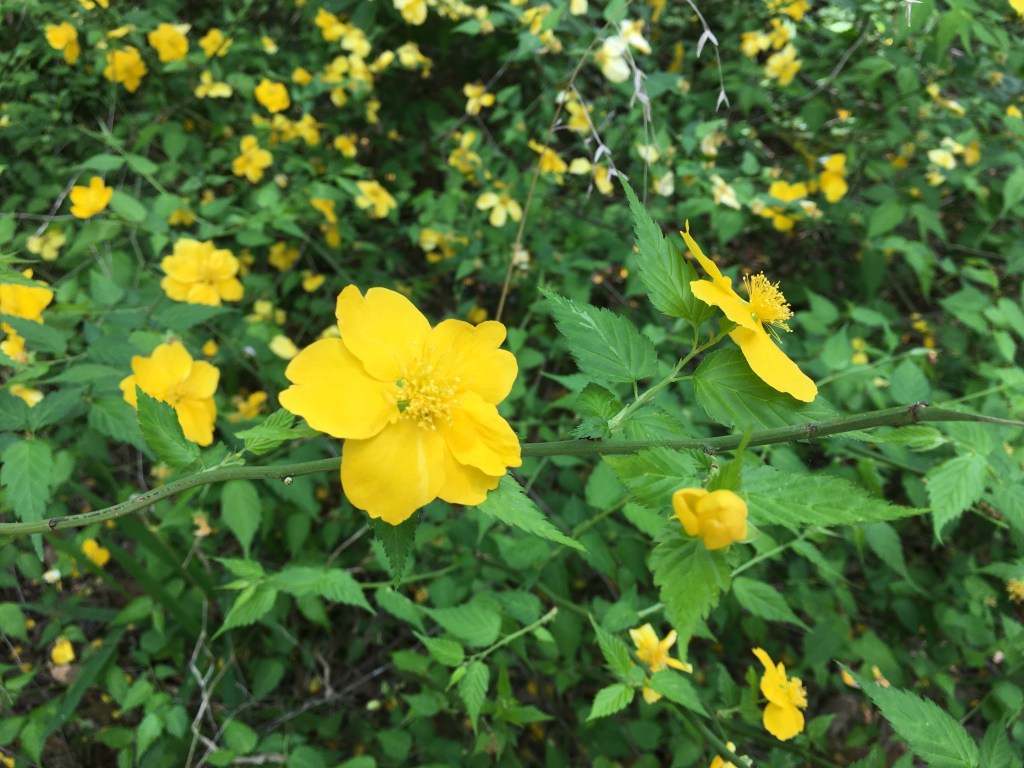
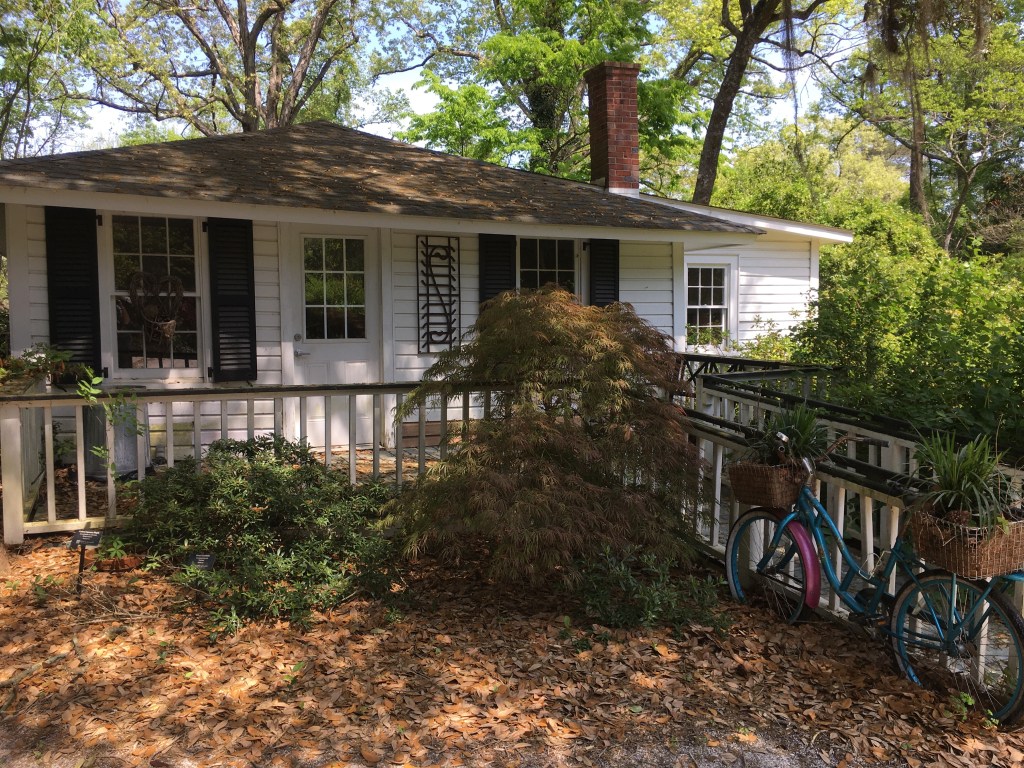
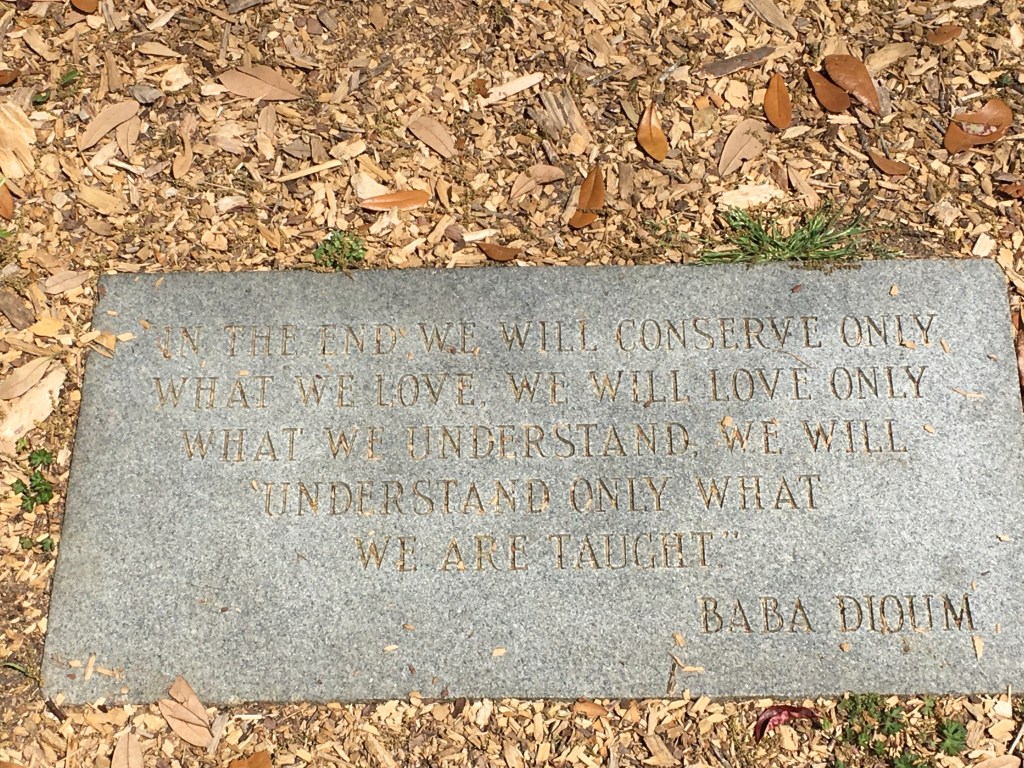
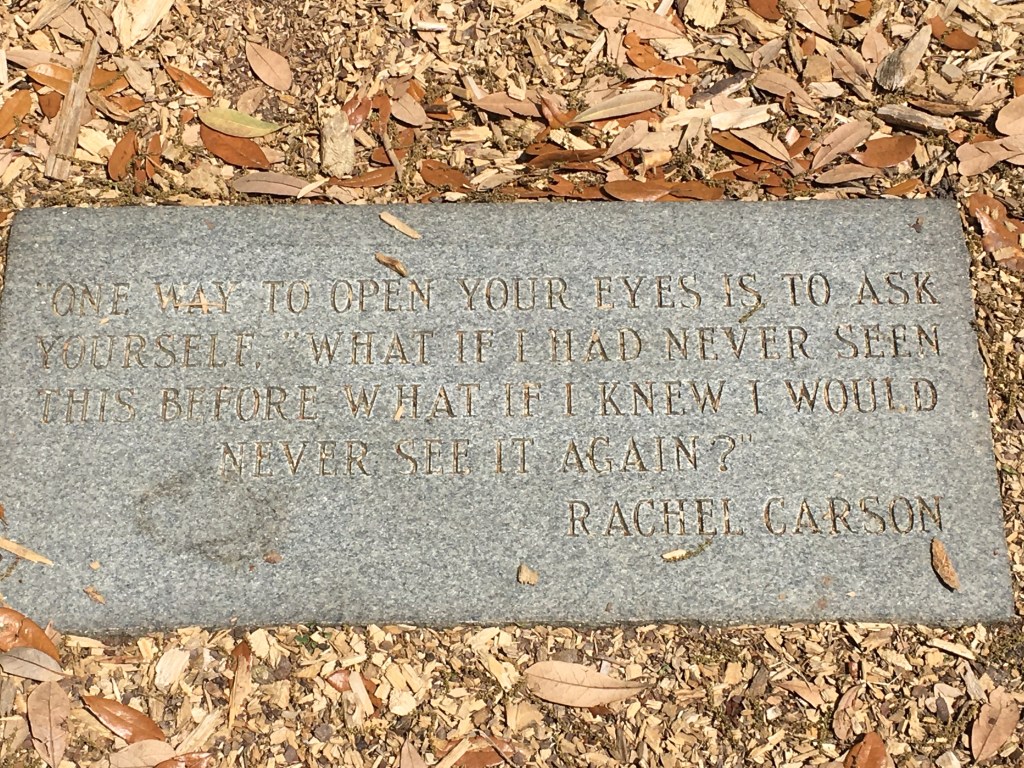
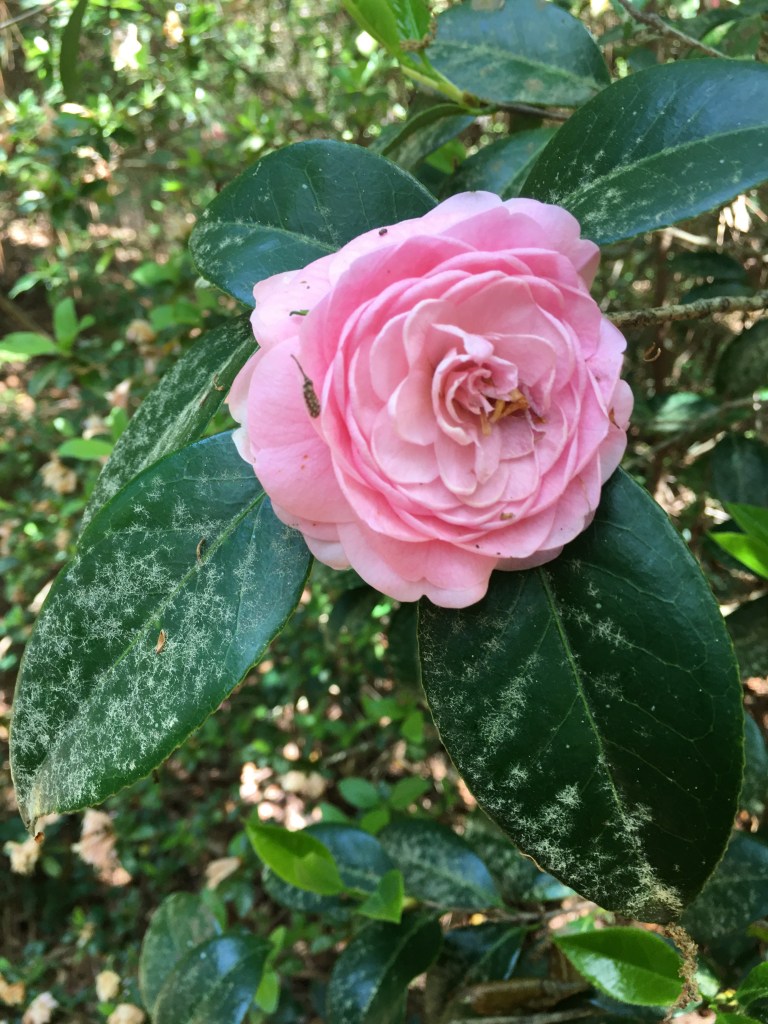
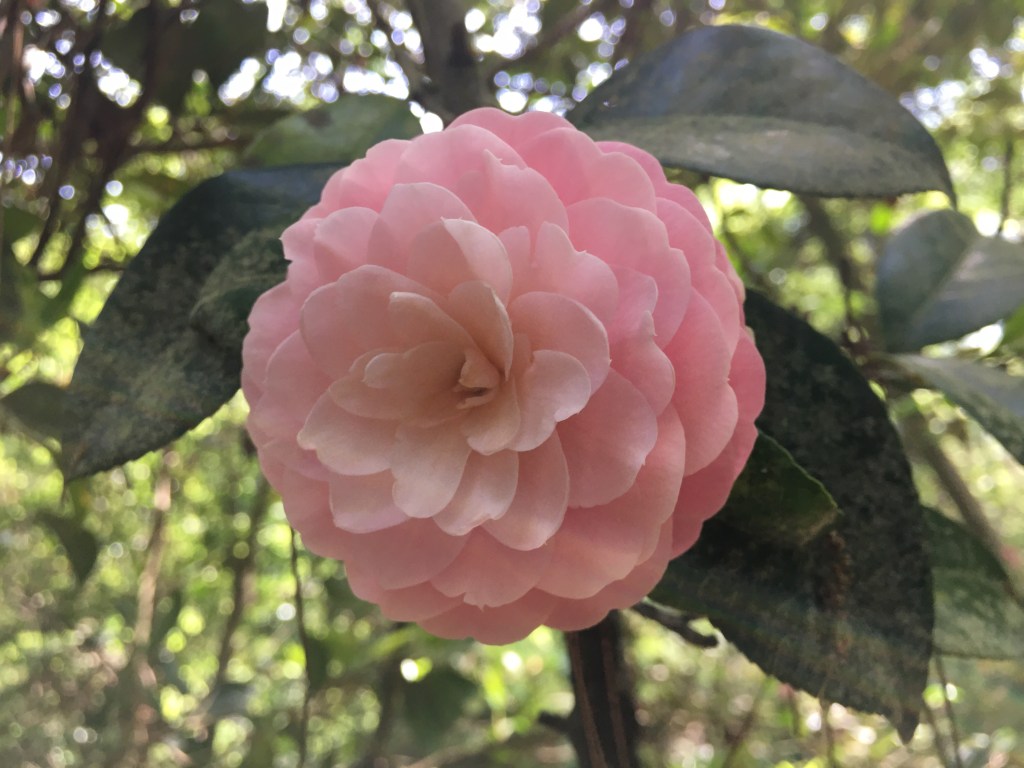
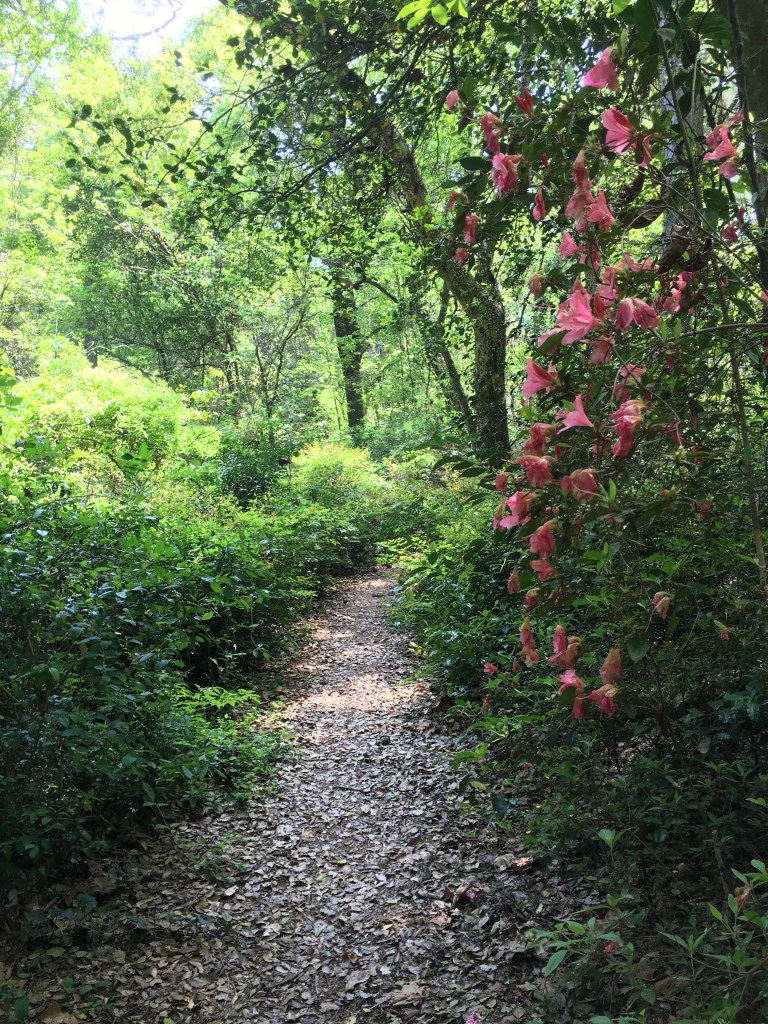
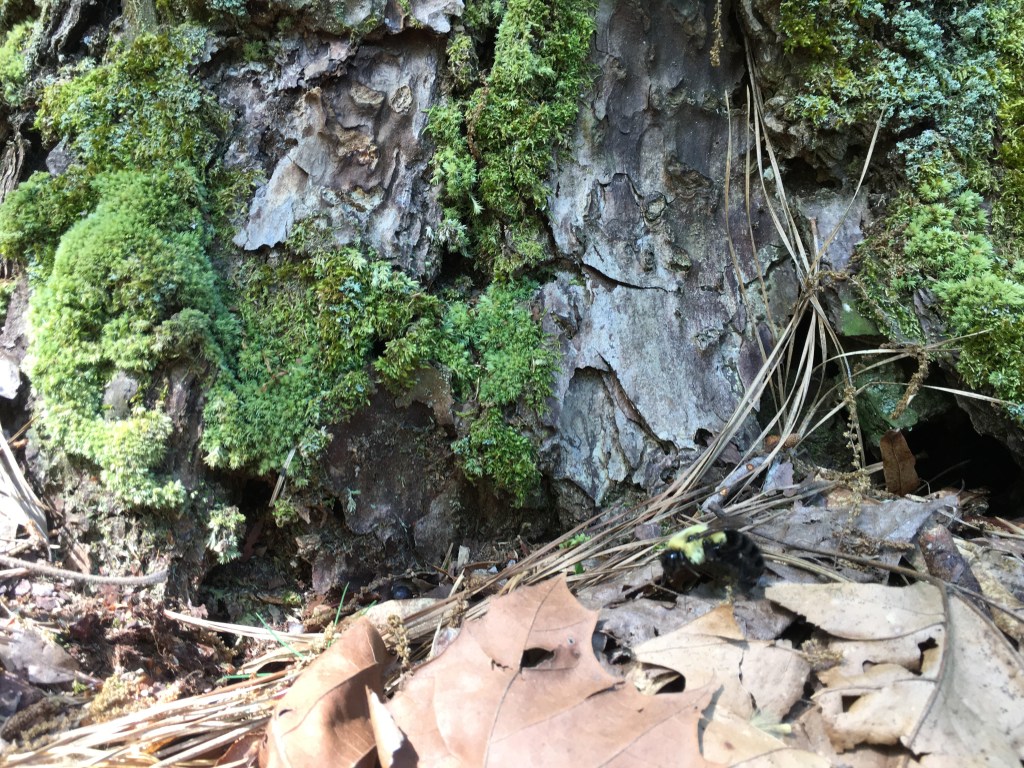
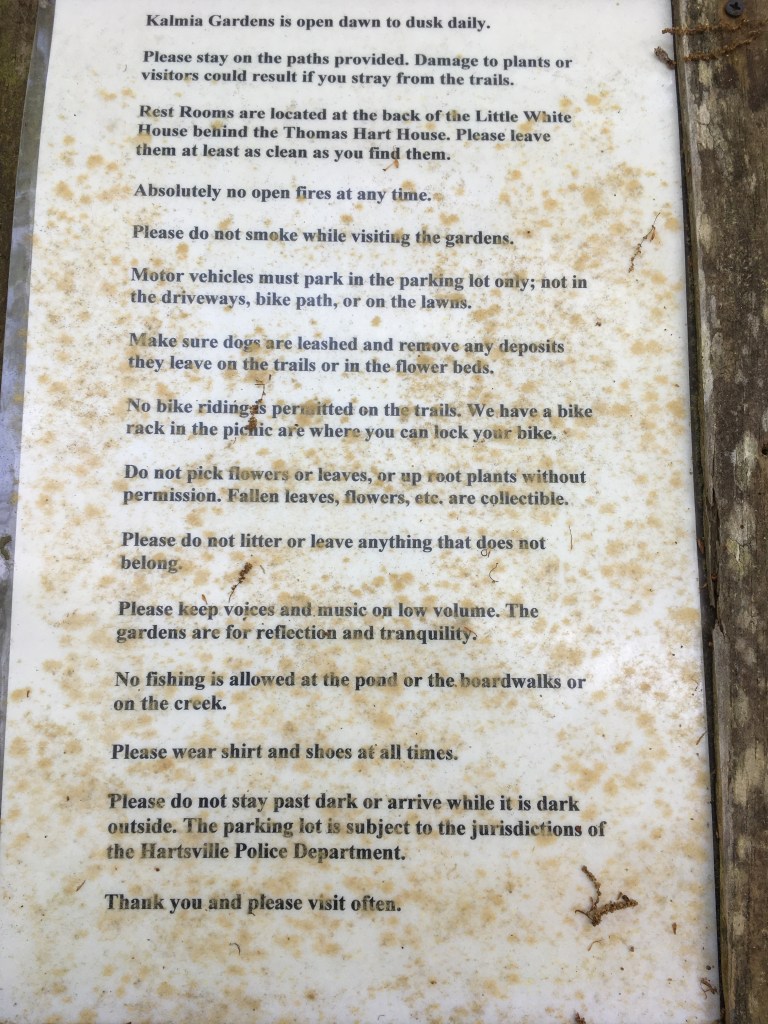
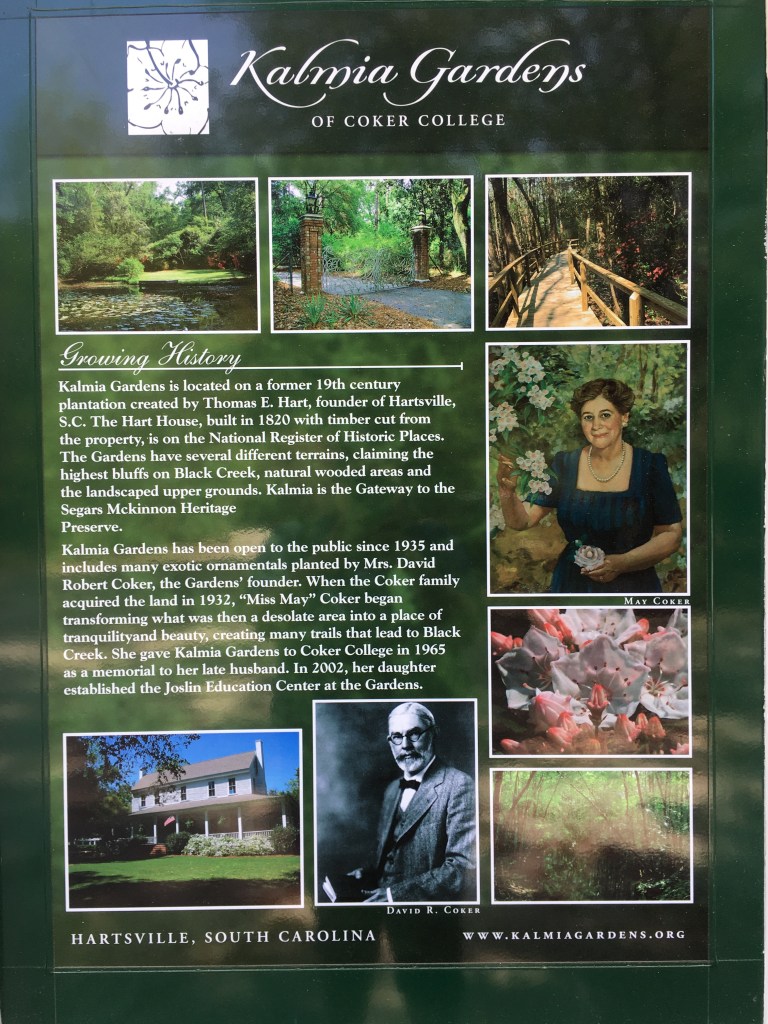
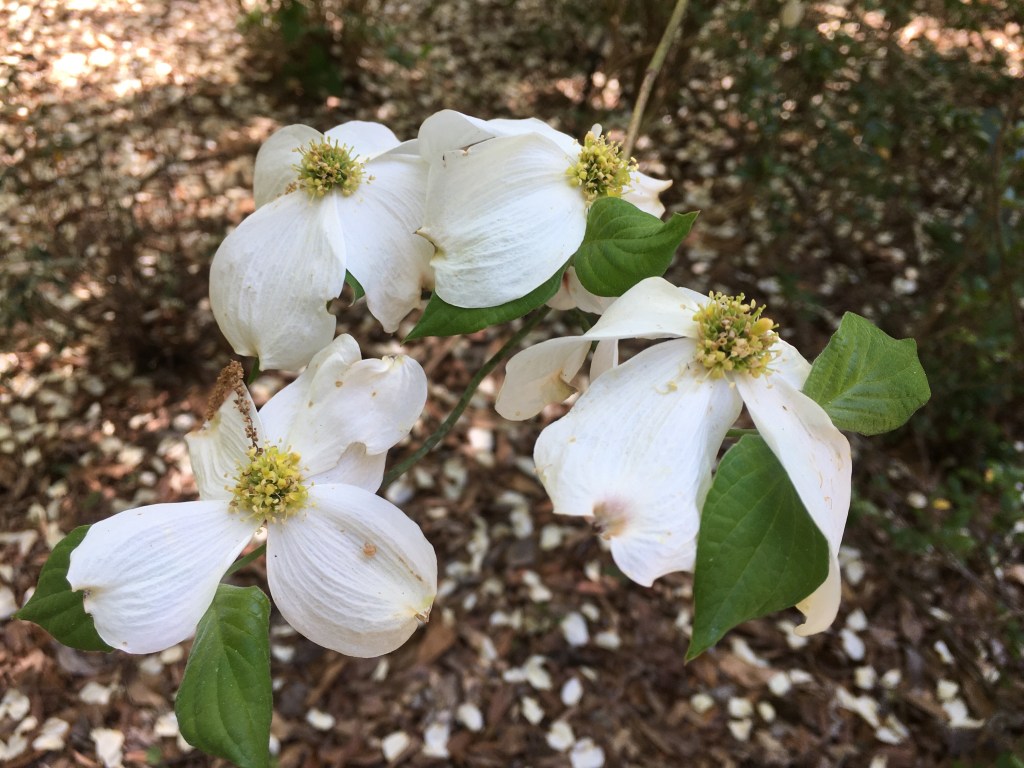
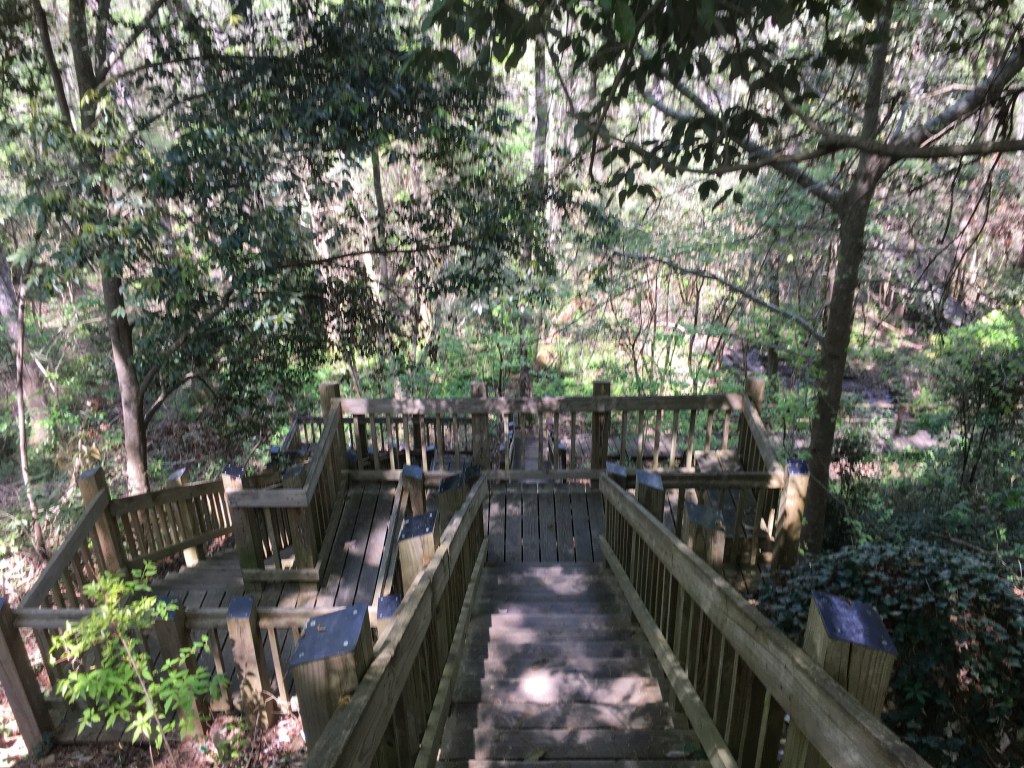
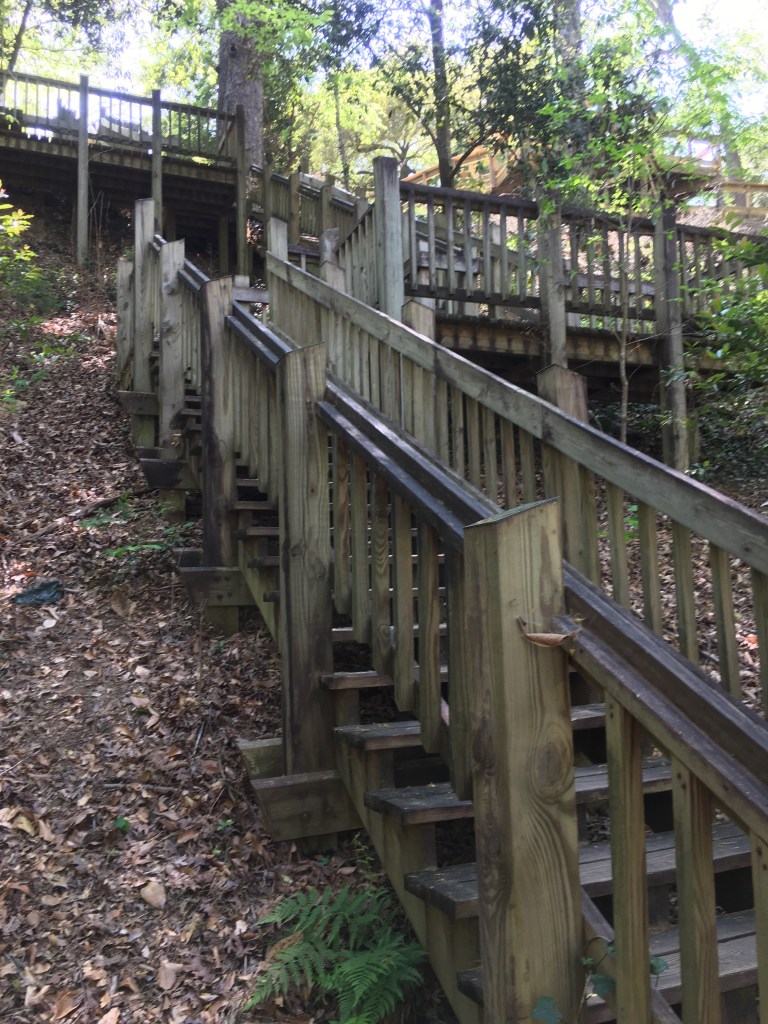
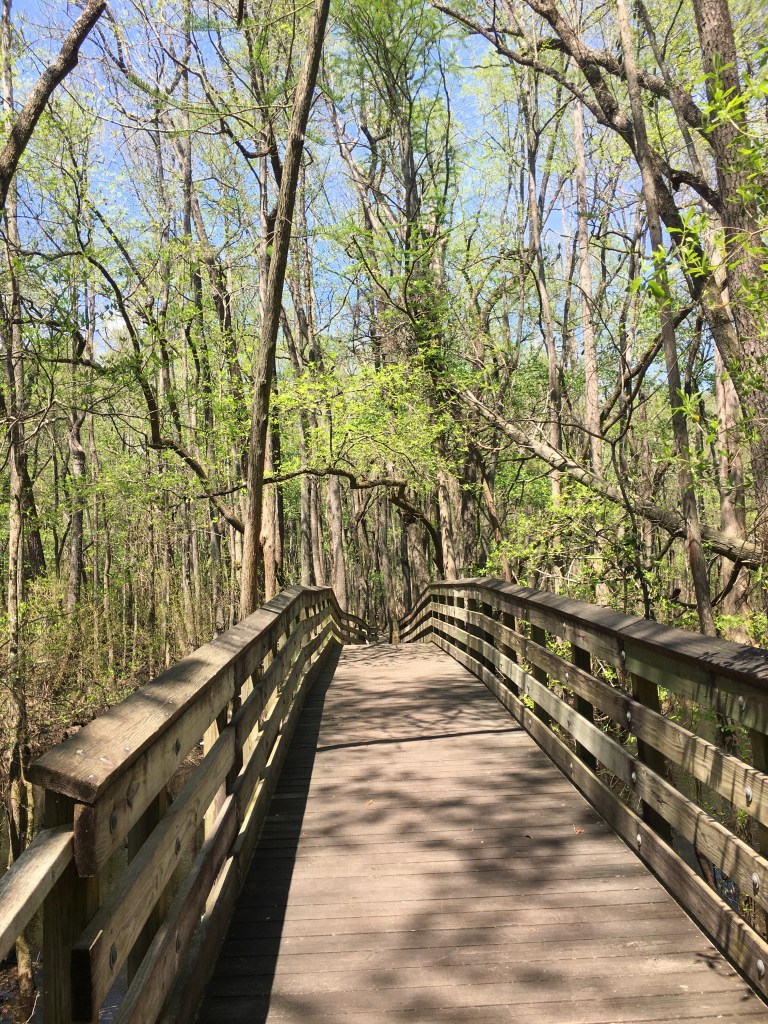
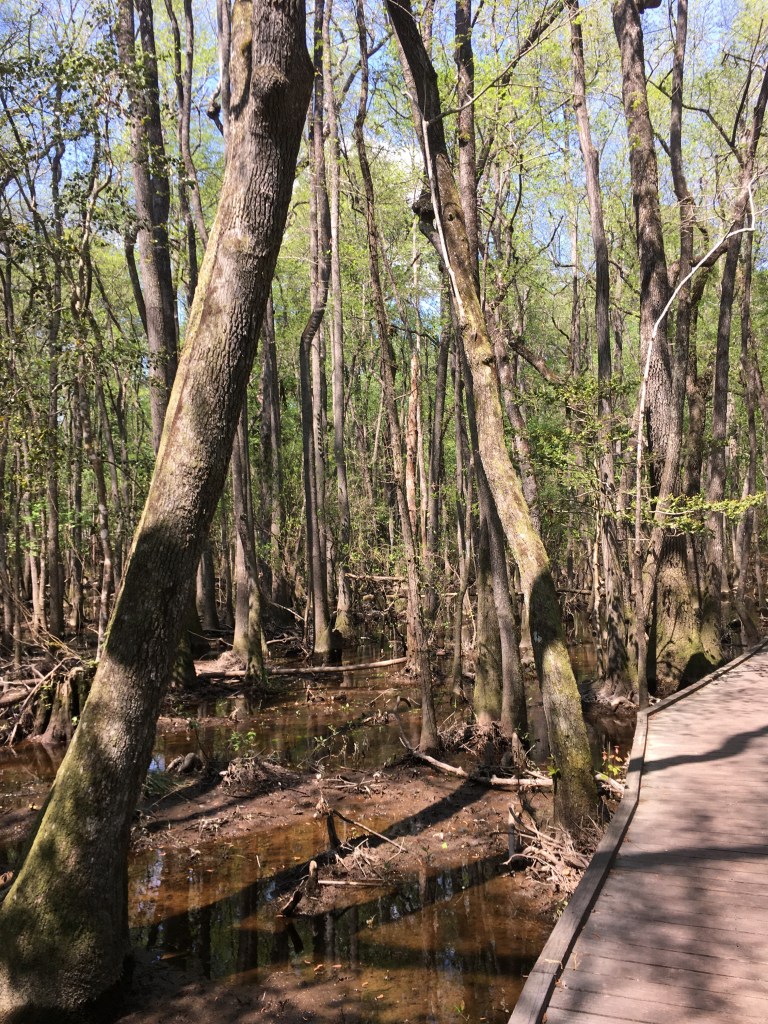
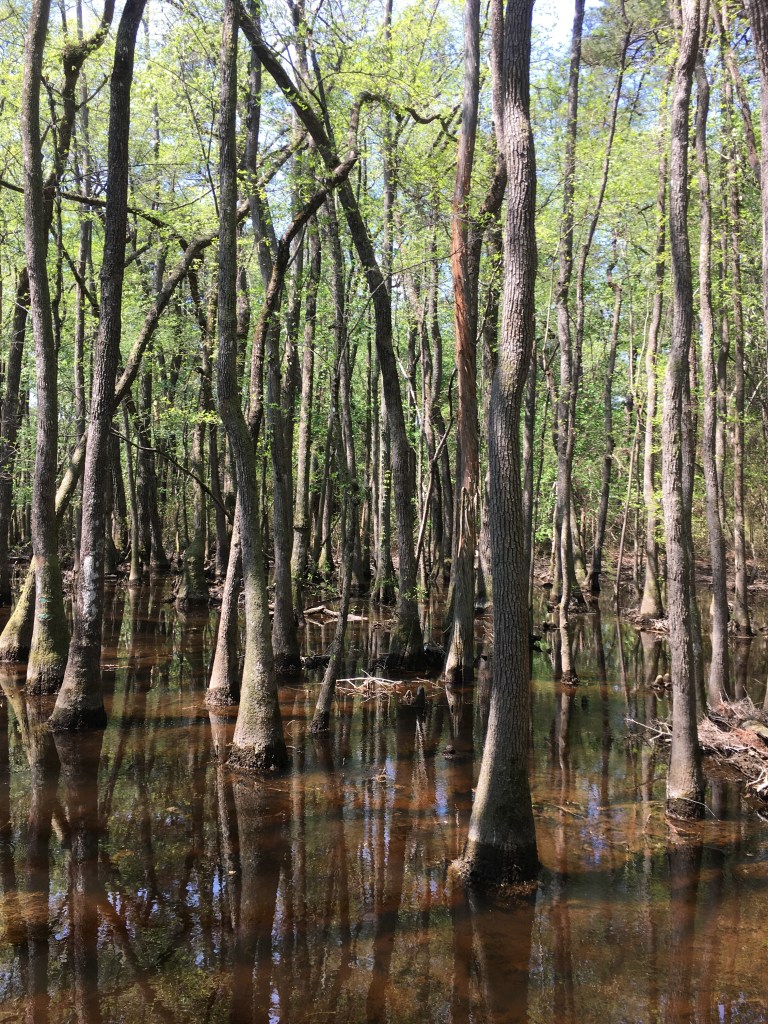
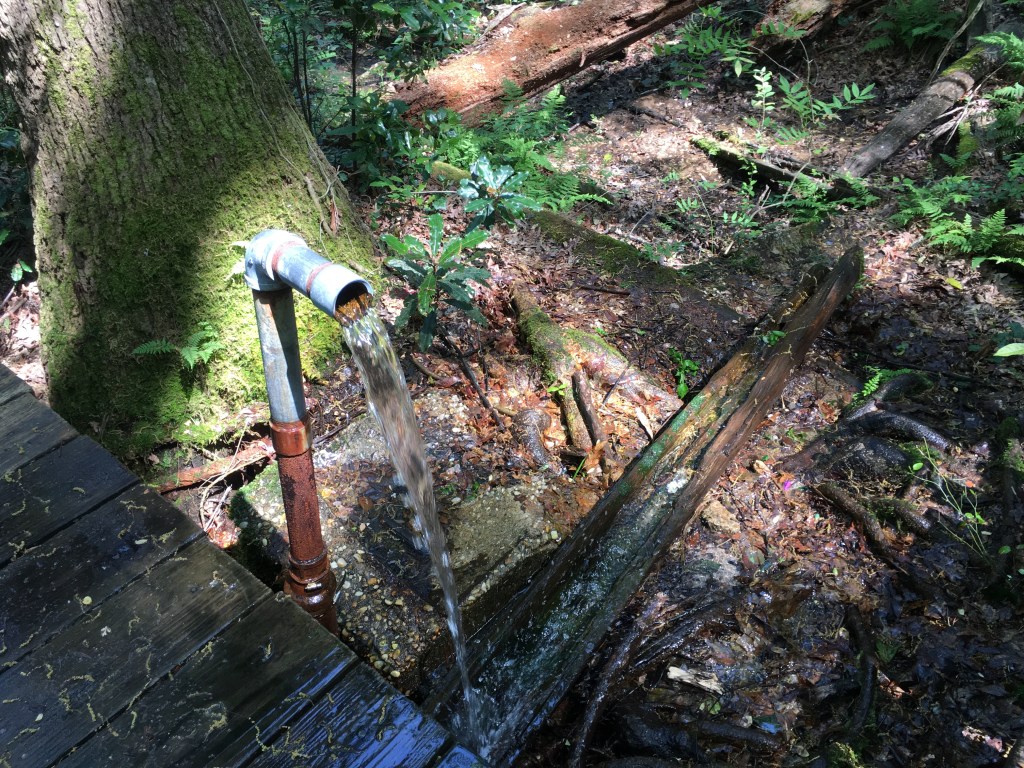
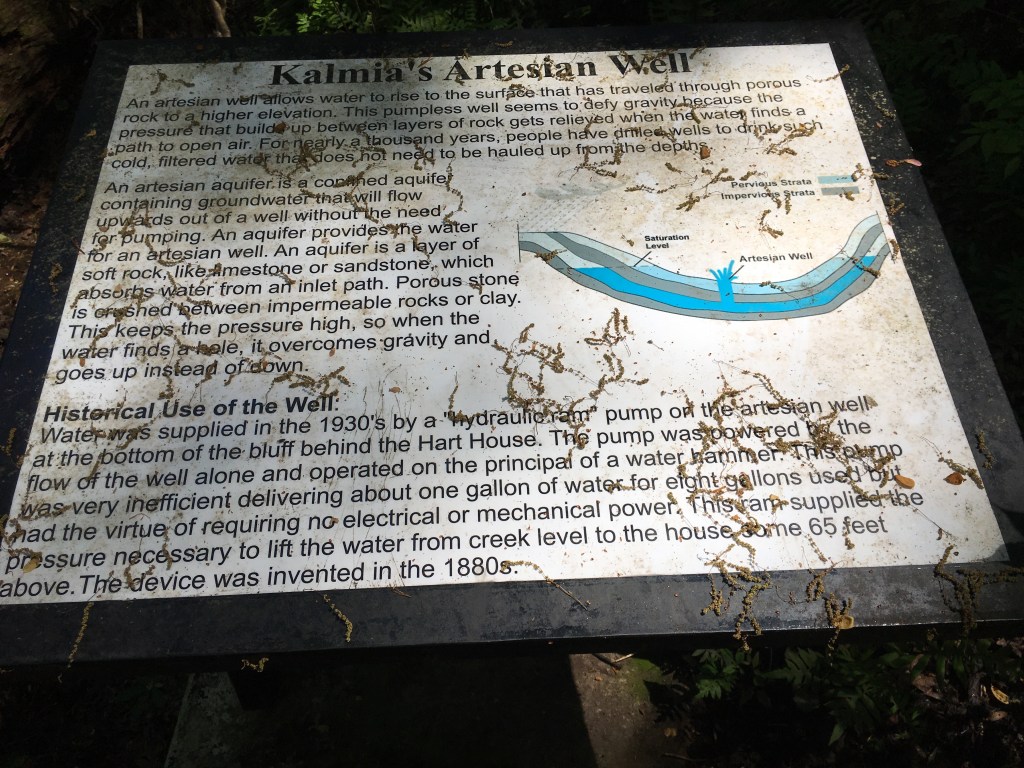
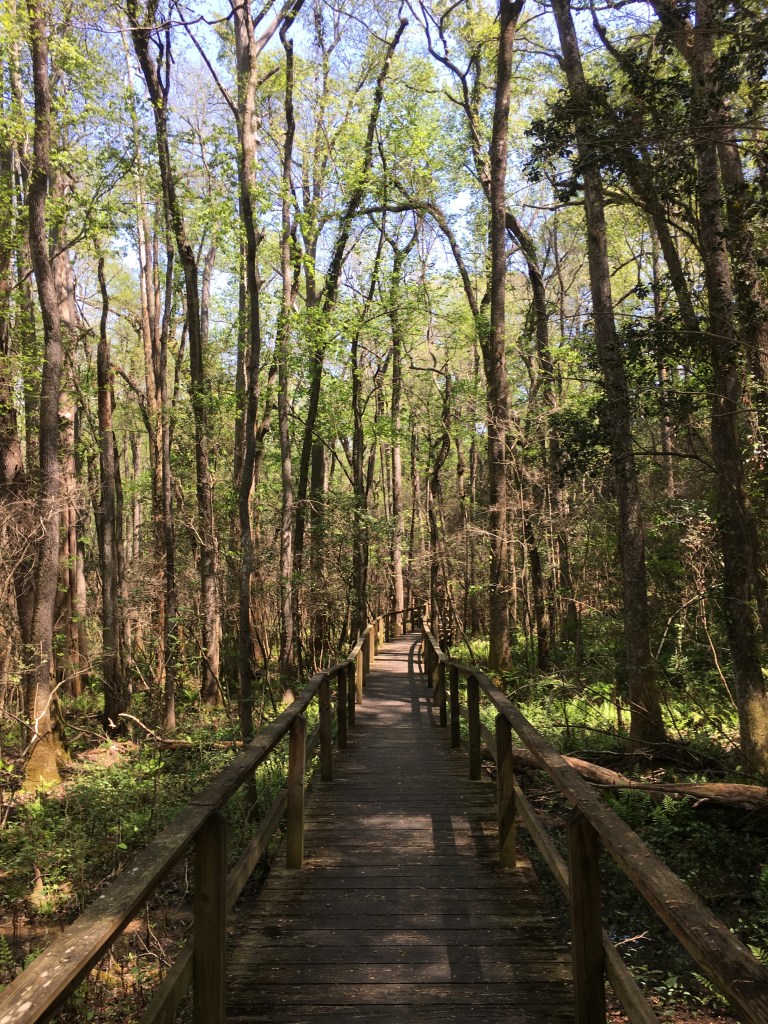
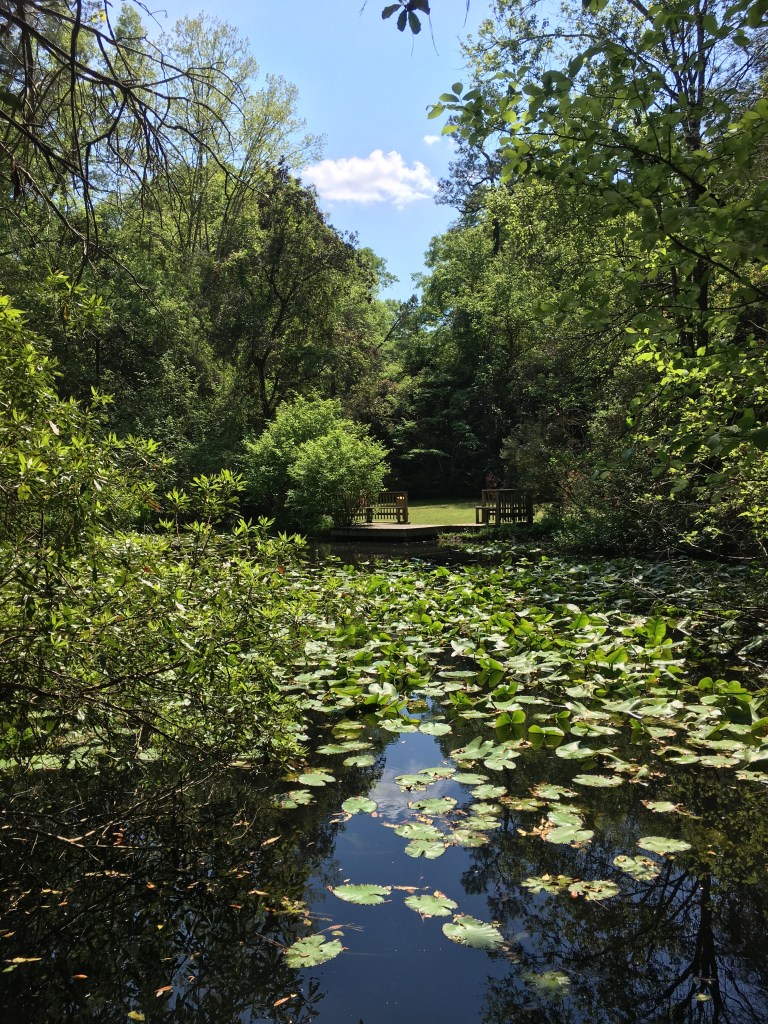
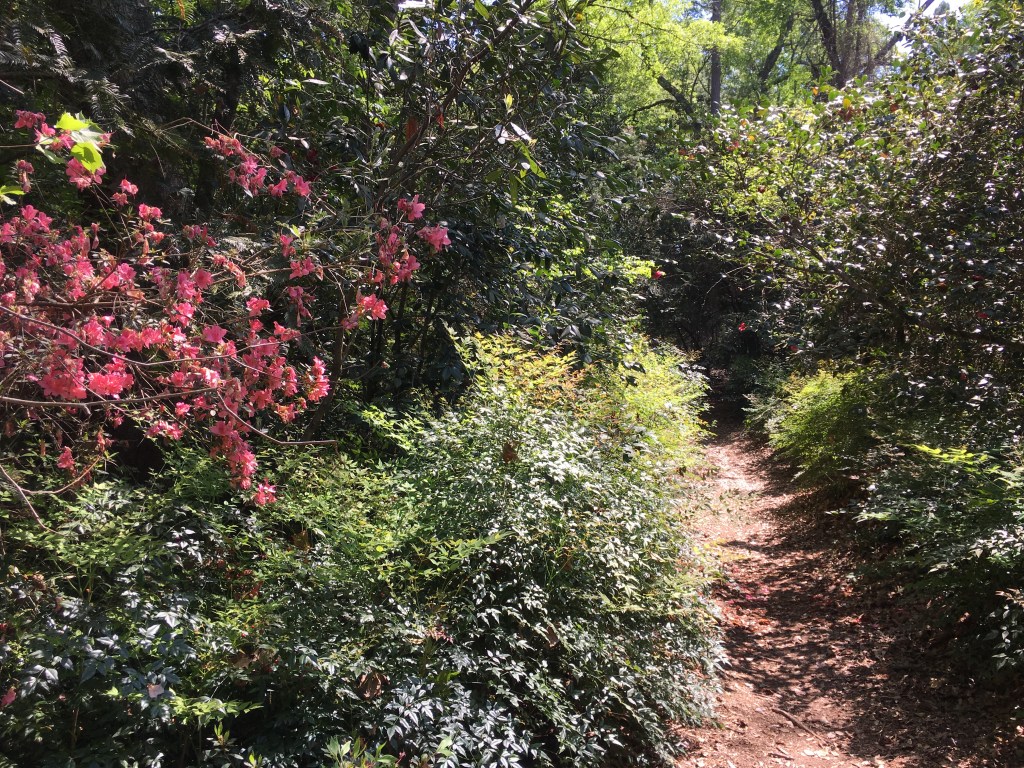
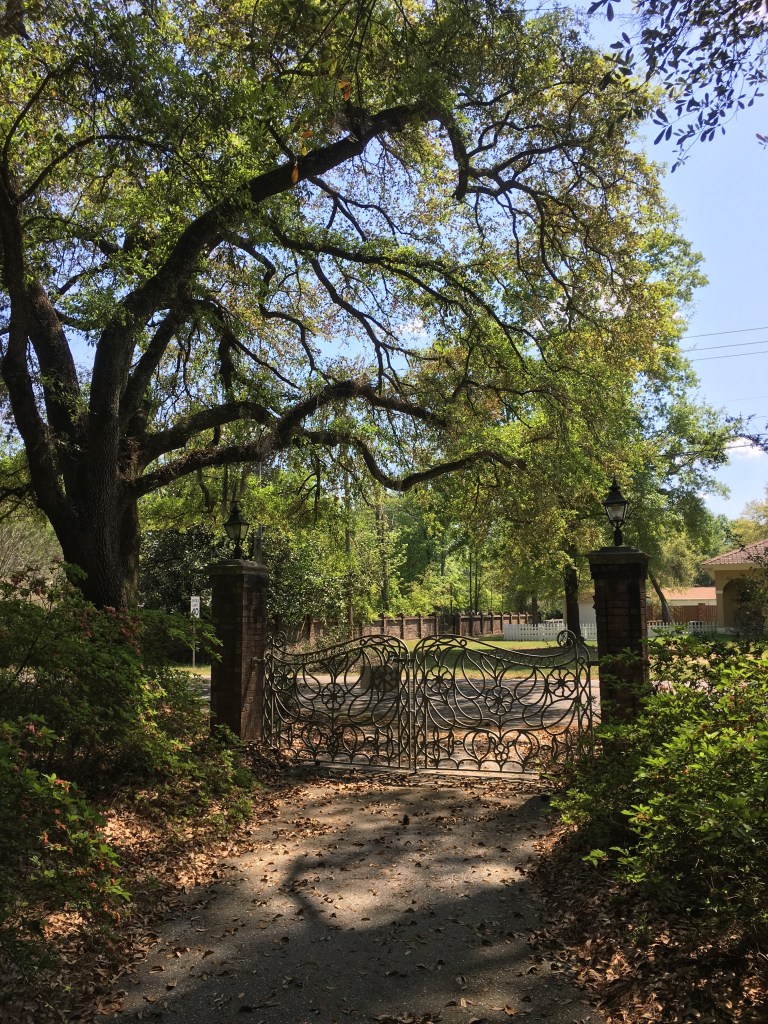
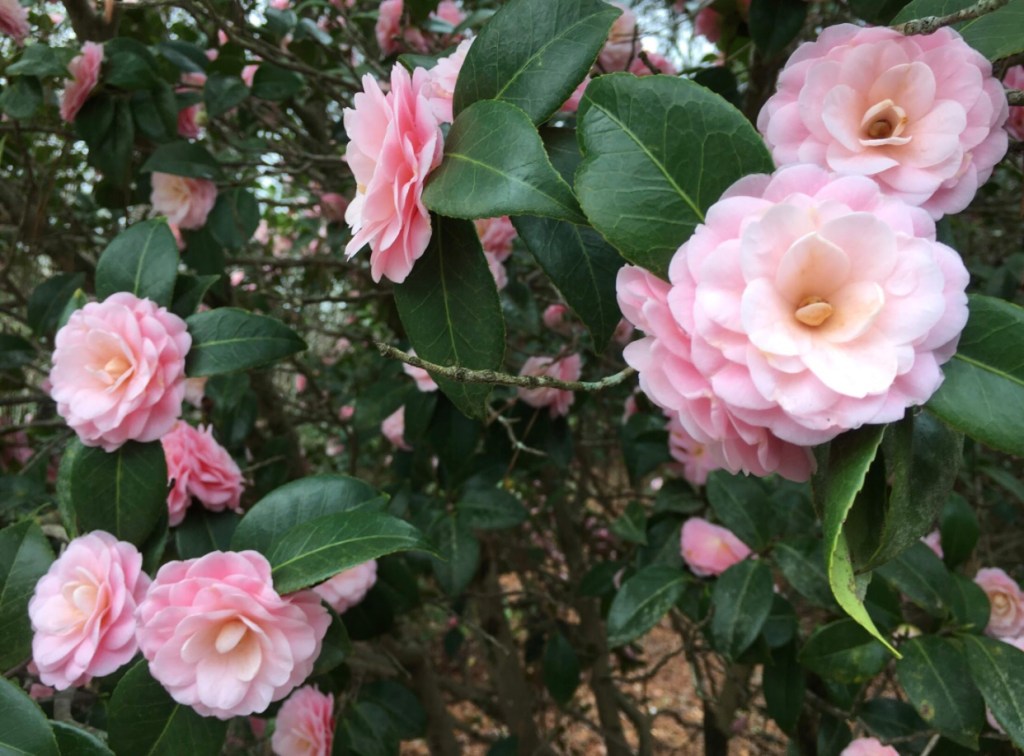
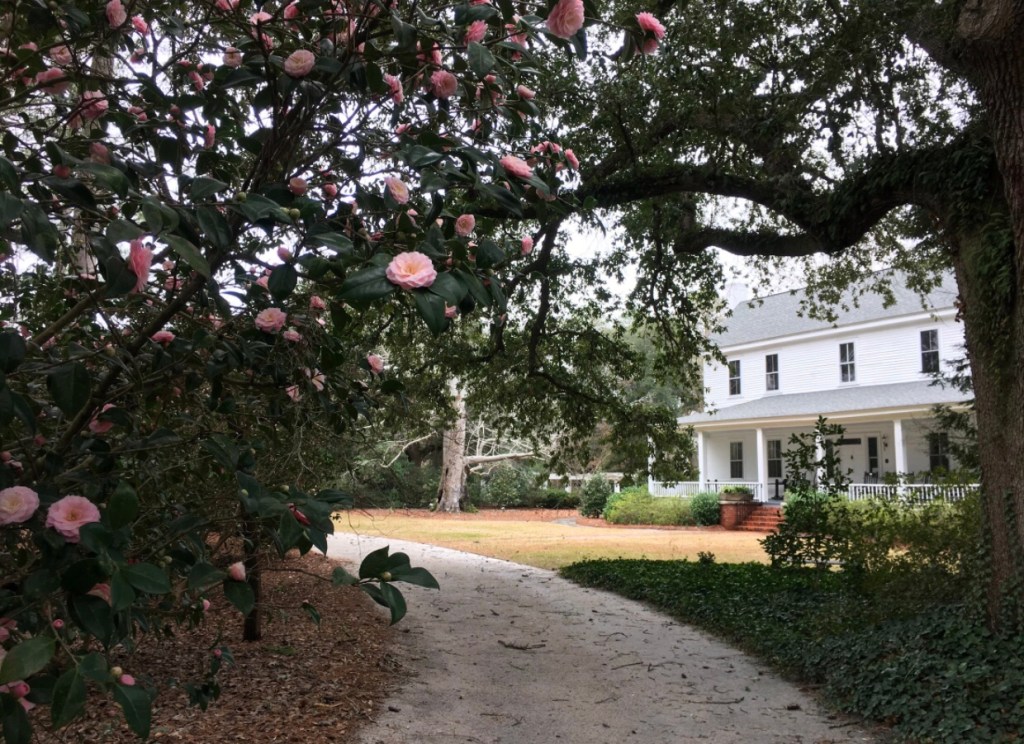
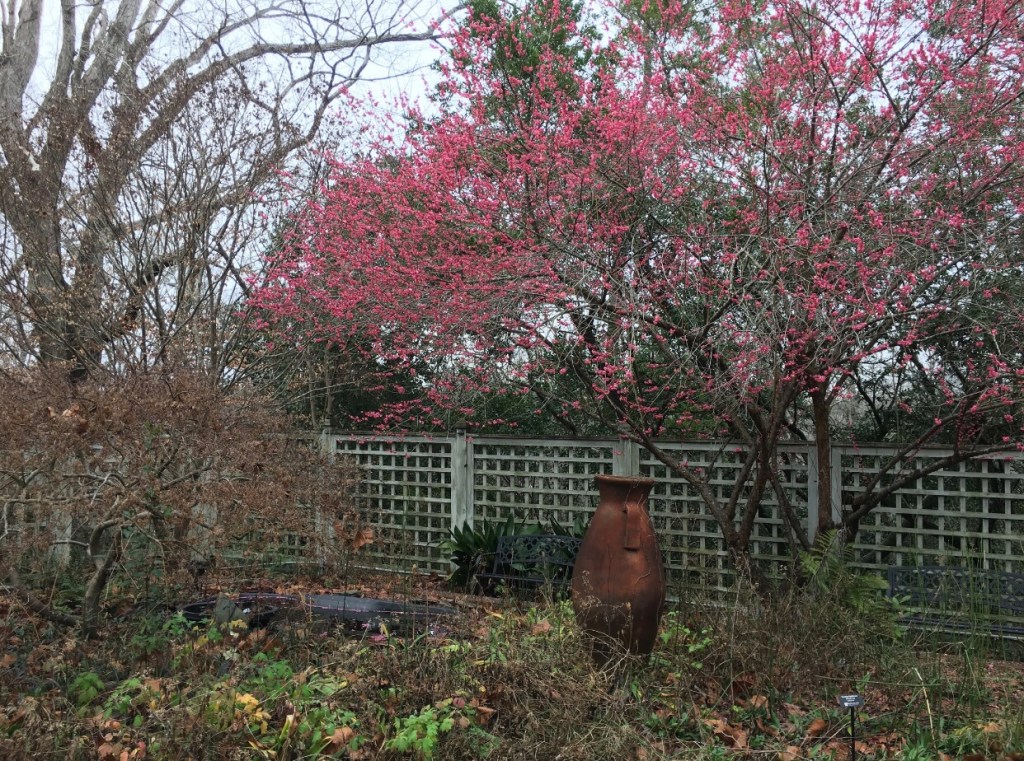
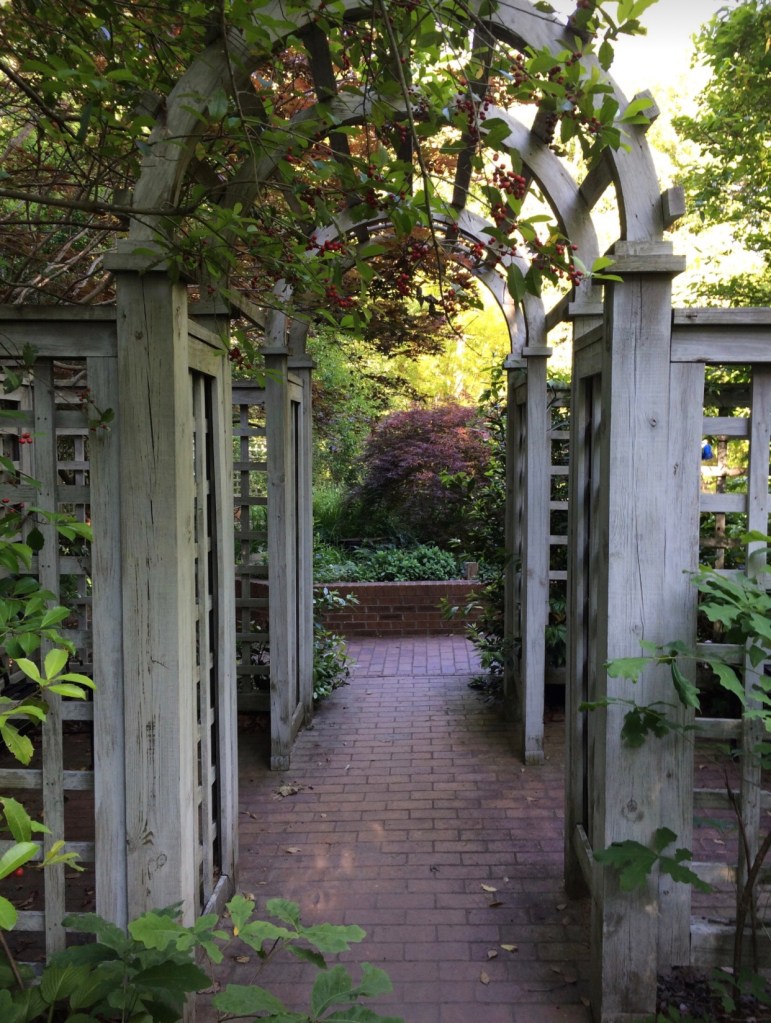
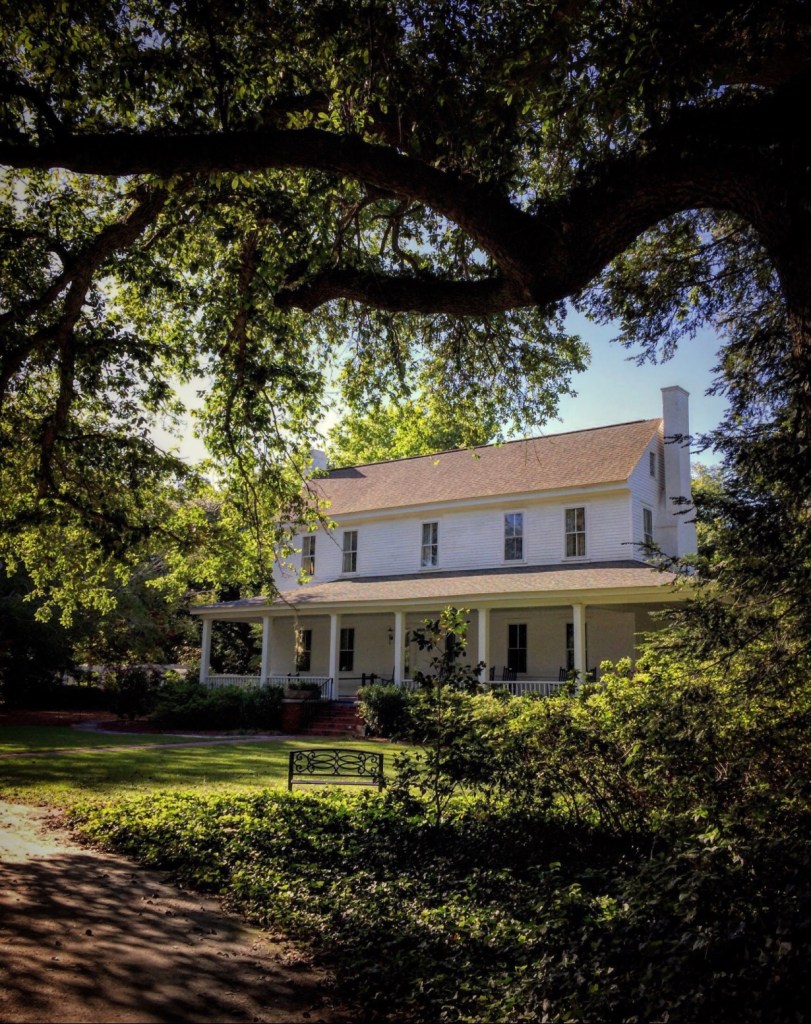
Kalmia Gardens of Coker College is located at 1624 West Carolina Avenue in Hartsville, South Carolina. It is absolutely free of charge to visit, and it is open daily from dawn to dusk. They only ask that you don’t trash the gardens on your visits since they do have to clean up behind you if you leave your mess behind. Confetti is considered as trashing the gardens, so please be respectful and leave it behind at home so future generations will still have this beautiful garden to use.

 travelingthesoutheast.com
Interesting and beautiful story if Hartsville
LikeLiked by 1 person