Caldwell-Hutchison Farmhouse
One of the most interesting behind the scenes tours I have ever taken was back in July of 2017. South Carolina State Parks was having its Ultimate Outsiderfest for its Ultimate Outsiders, and they had planned really cool adventures in some of the state parks. We had five days to crisscross the state in order to receive prizes. One of the events that stood out to me was a tour of the Caldwell-Hutchison Farmhouse at Calhoun Falls State Park.
I personally didn’t know how a farmhouse existed in the state parks system that I didn’t know about, but it did. I checked the website at Calhoun Falls, and there it was. A brief mention of the farmhouse was on the website. I made sure that my first stop on the mission to receive prizes would be all the way across the state at one of my favorite parks that I don’t visit as much as I would like.
When the tour was set to begin, we all had to get in our vehicles and follow the park rangers to the house. It is not located where the rest of the state park is, and I honestly couldn’t find it again even if I tried. You have to make quite a few turns before you get there. We were greeted with a park historian that had personally knew the last two people that ever lived in the house. It was wonderful to hear stories from someone that actually had firsthand knowledge of what he was saying.
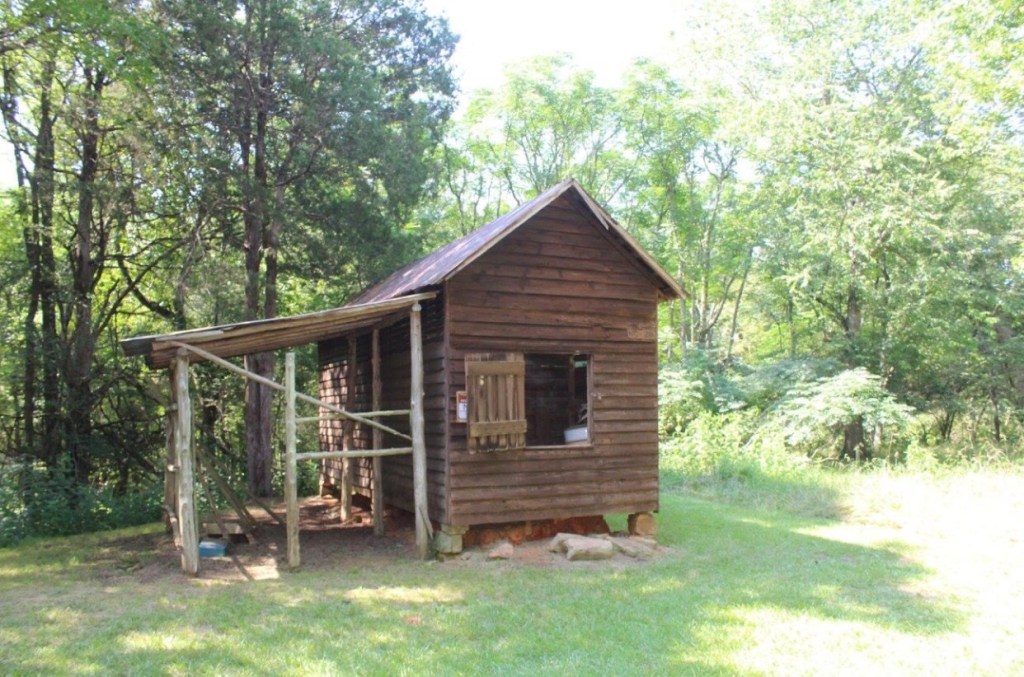
It turns out that there had been plans to make the farmhouse into a living history farm for the state parks service, but those plans fell through. A restroom facility had been built, and a parking area was there as well. Needless to say, they have never been used.
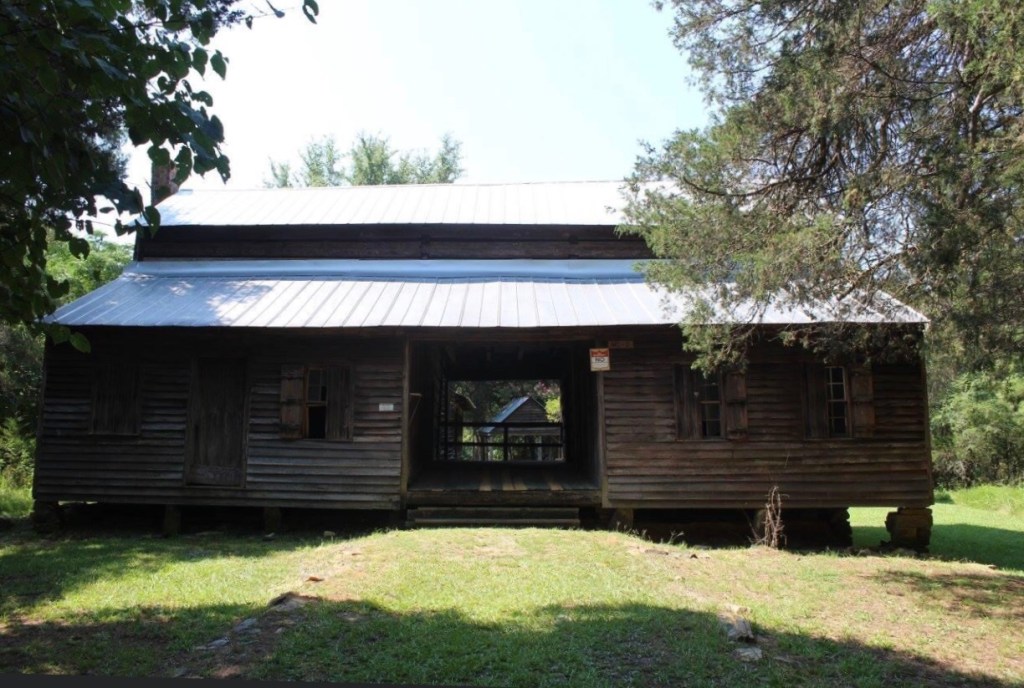
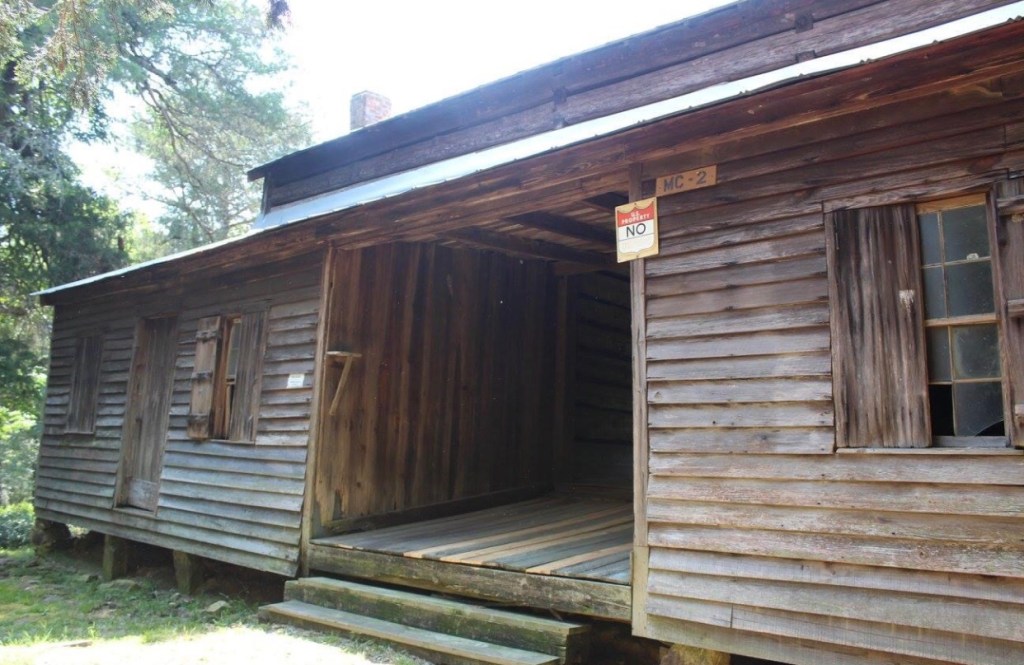
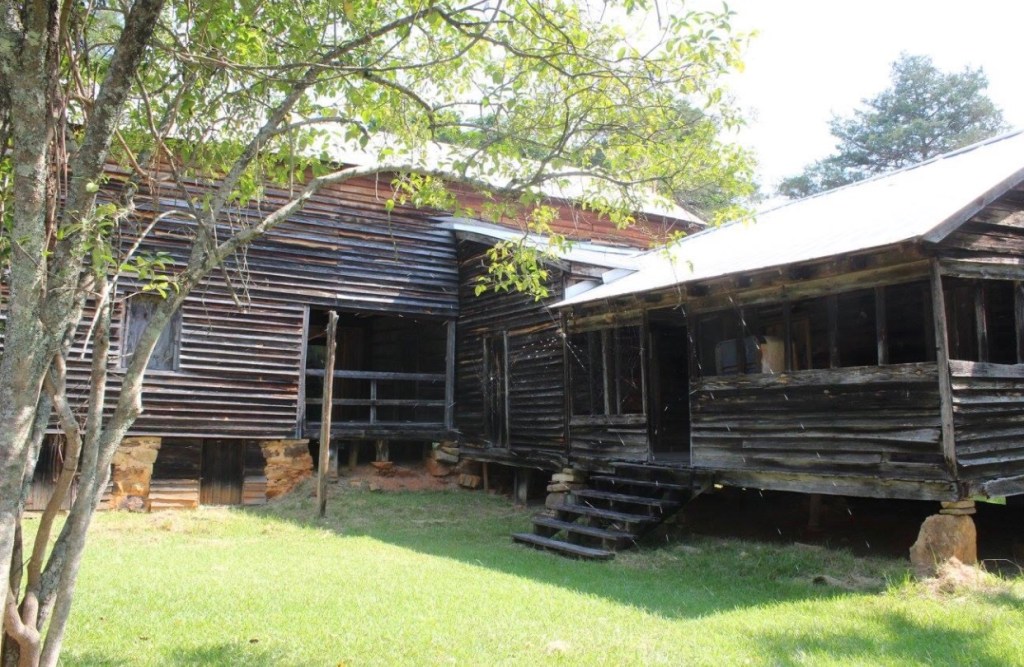
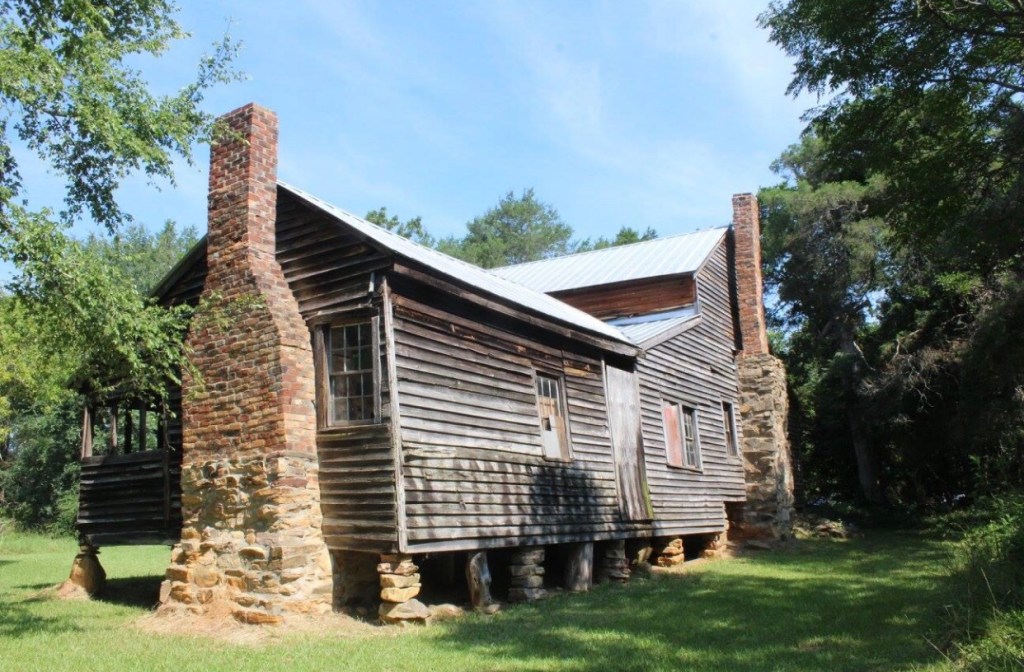
The Caldwell-Hutchison house is a two story farmhouse that has survived for over two hundred years. It is estimated to have been built in the late 18th or early 19th century. The Caldwell’s that originally lived in the house added the second story onto the house around the 1850’s since the original house was only one story. In 1876, the first Hutchison moved into the house. Many generations lived in the house for over 100 years. They also changed the spelling of their last name as well. The Hutchison surname eventually was changed to Hutchinson. The last Hutchinson’s lived in the house until the 1980’s.
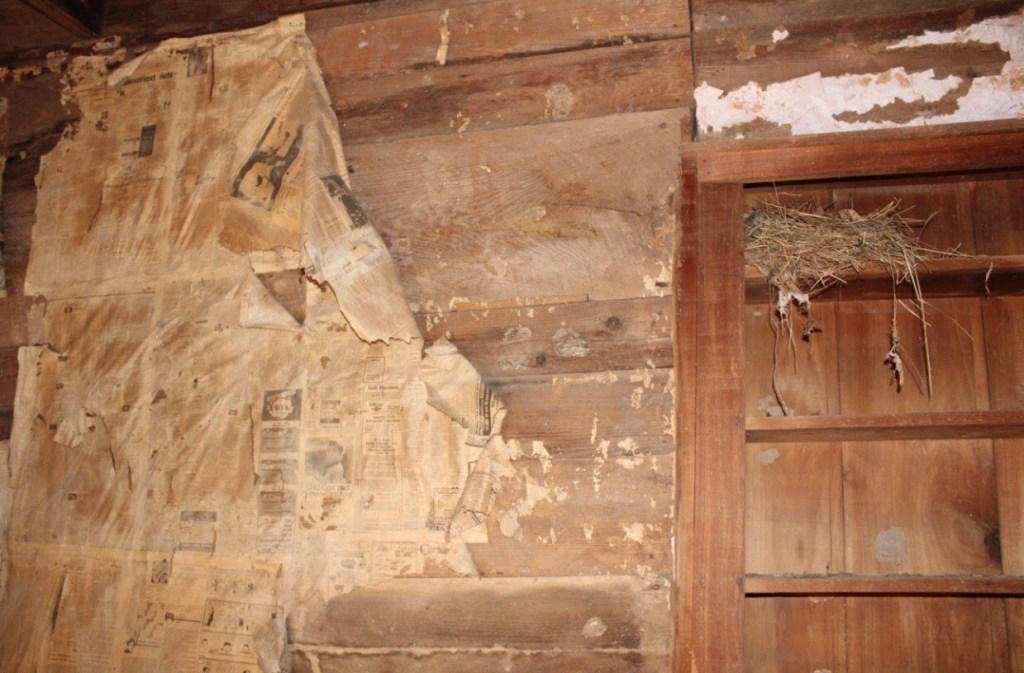
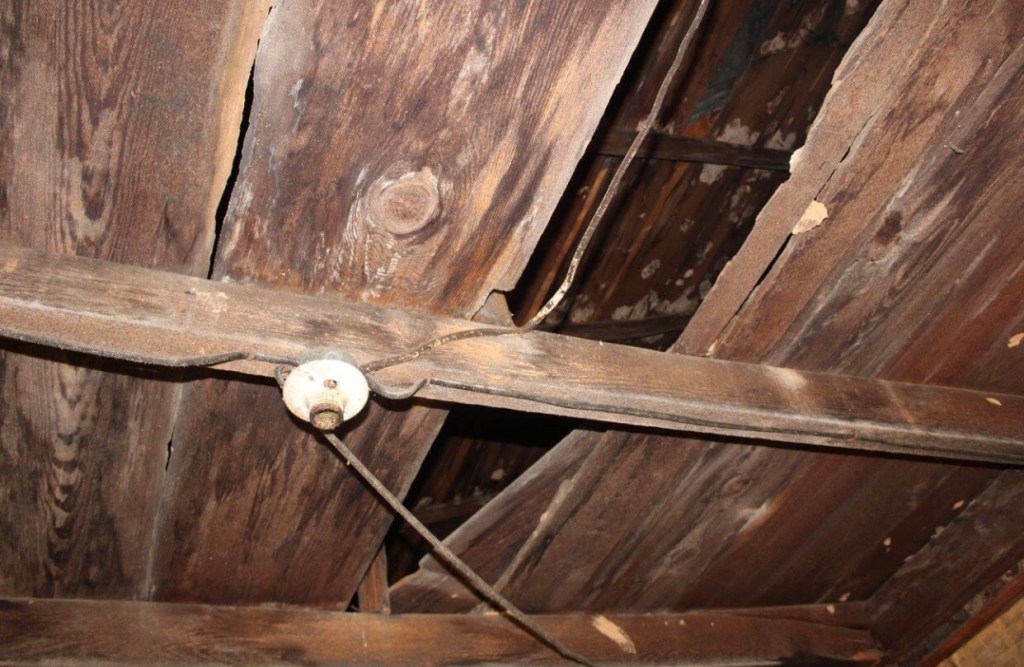
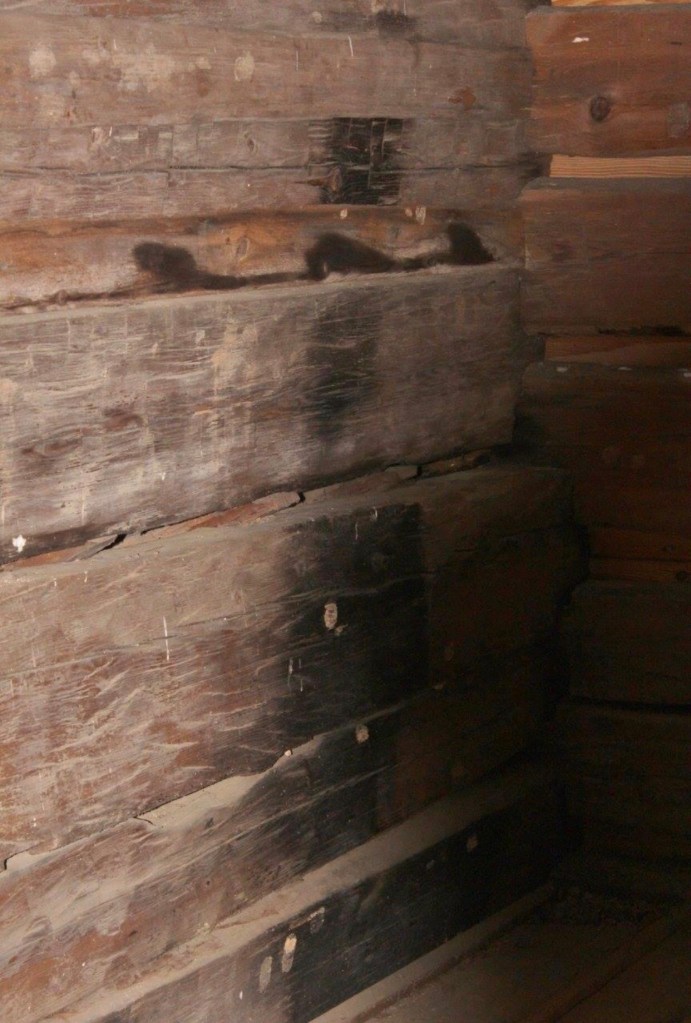
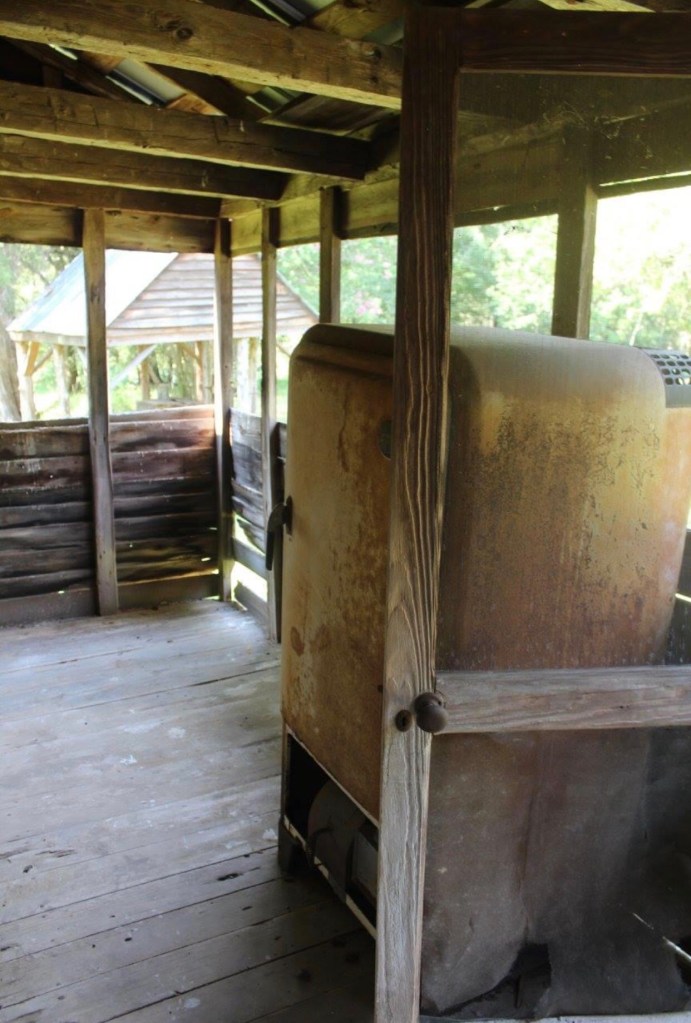
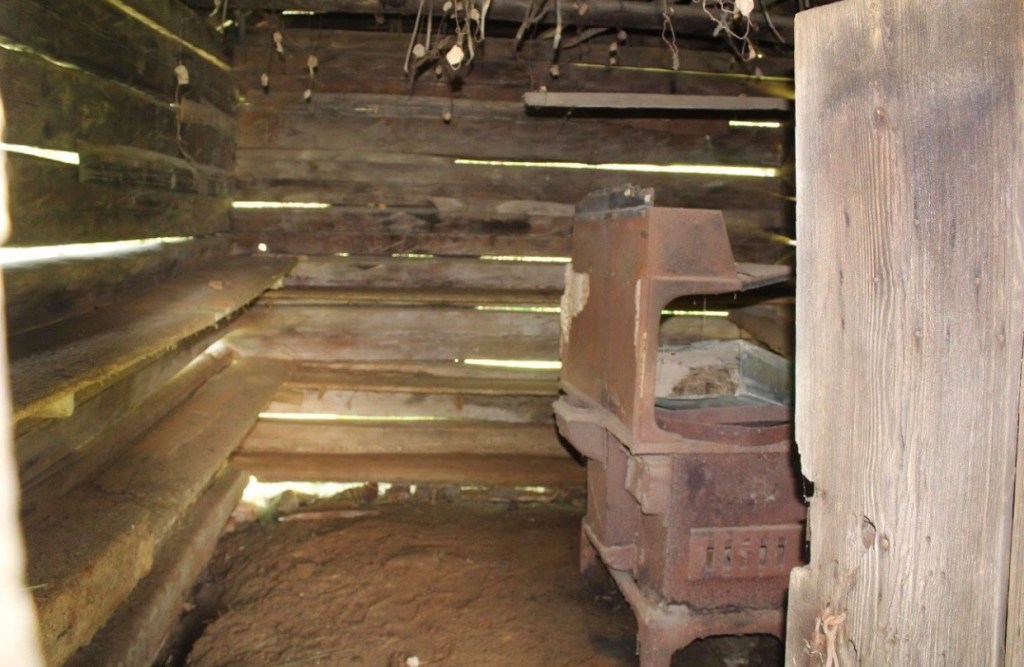
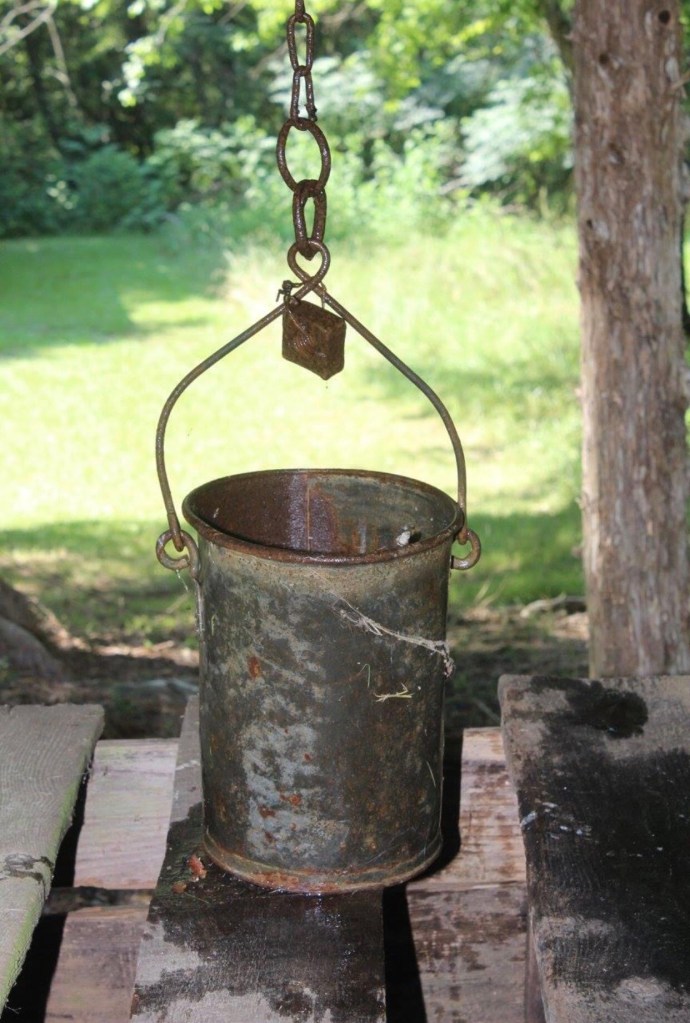
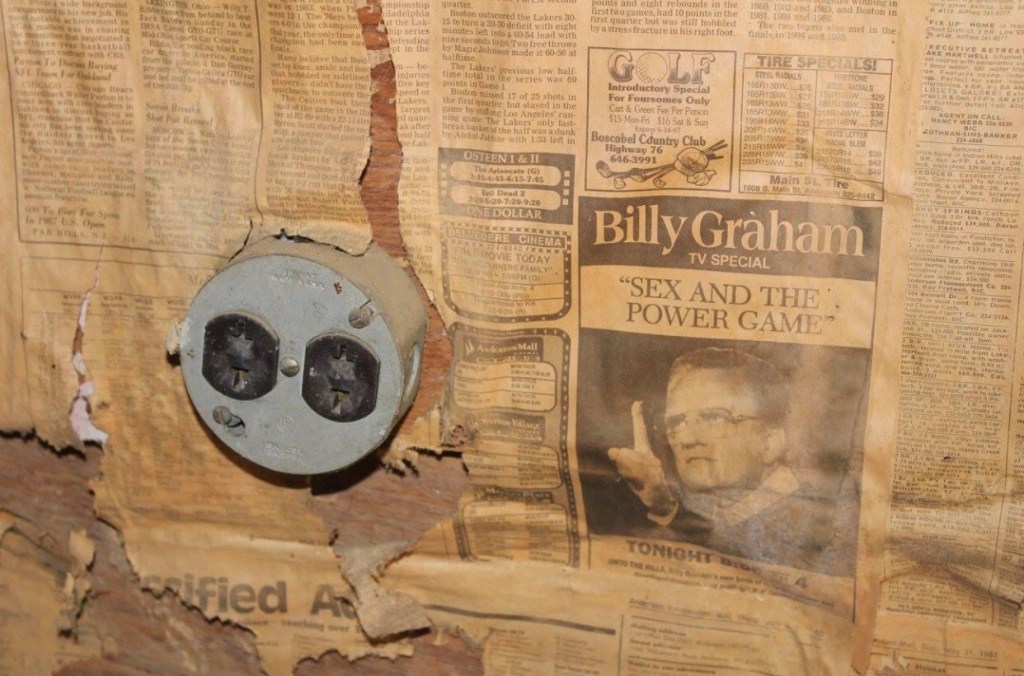
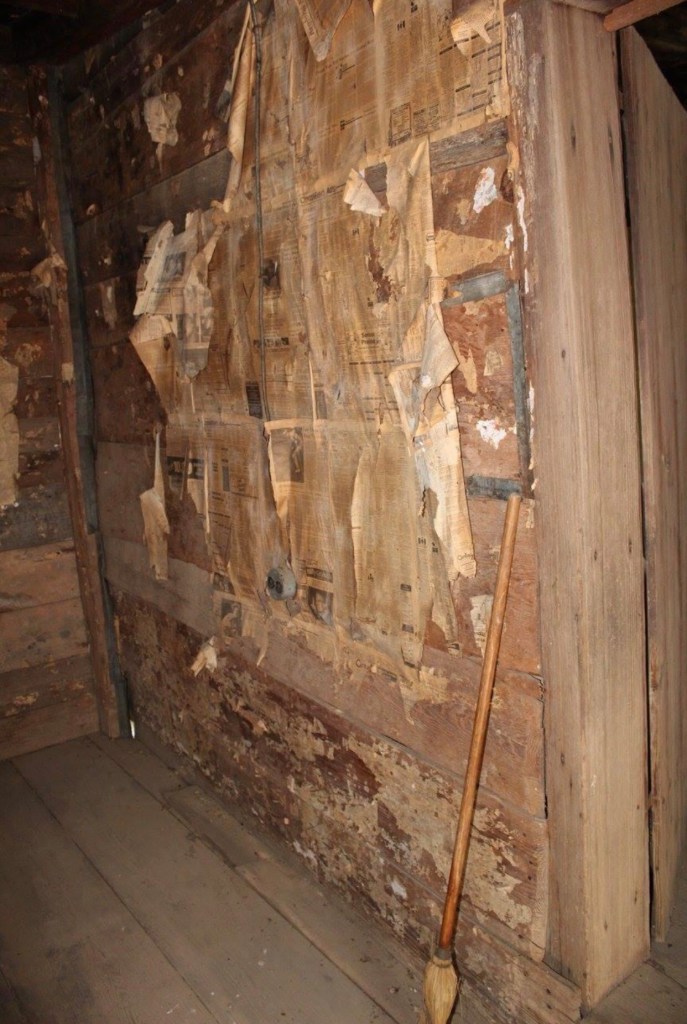
The park historian that led the tour had personally known brother and sister, Bandon and Katherine Hutchinson. They were the last two members of the Hutchinson family to ever reside in the house. Even though they had electricity, they still preferred to live life in the way they were raised. Newspapers covered the walls of the house, which was thought the keep the draft out of the house. It was stuck to the wall with a flour and water paste. Some remains of the newspapers can still be seen on the walls today. There was an old refrigerator on the back porch of the house from the 1940’s. An old well was in the backyard, and you can actually still draw up water from the old 80 foot well.
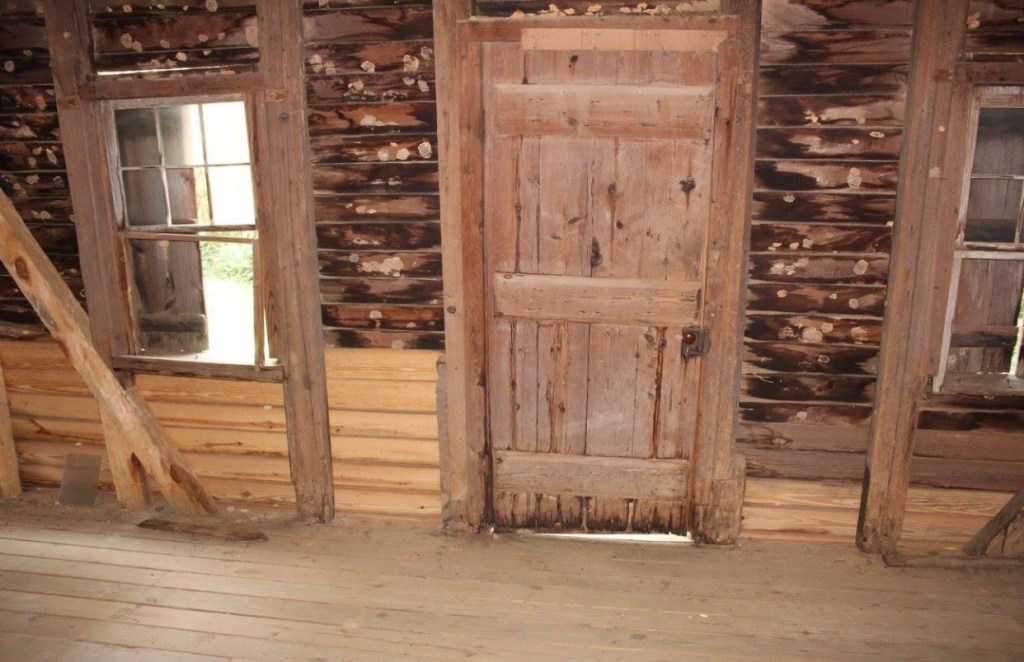
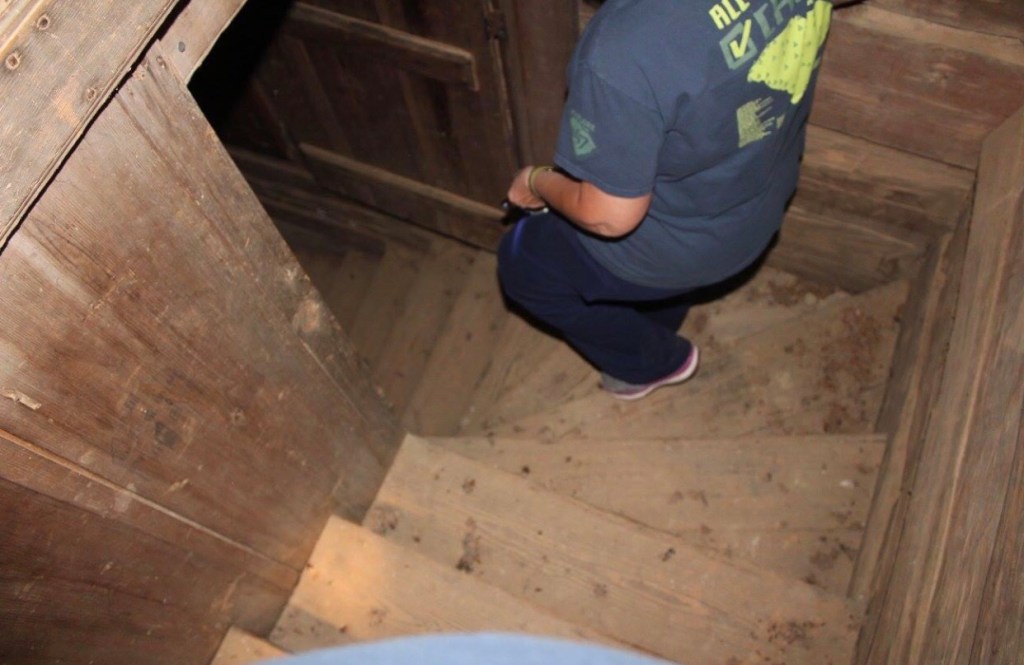
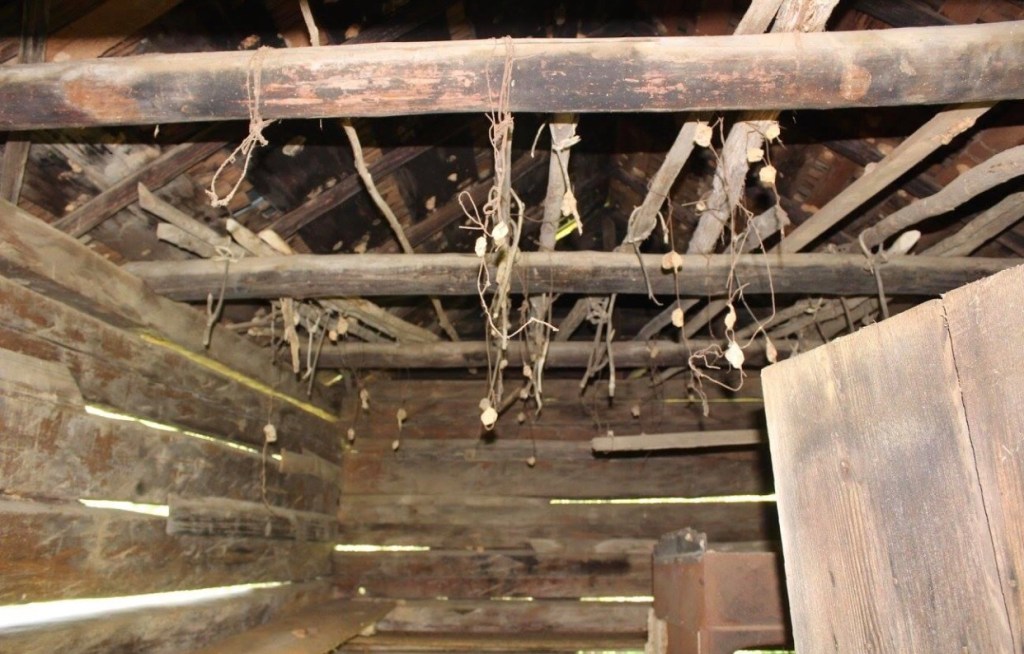
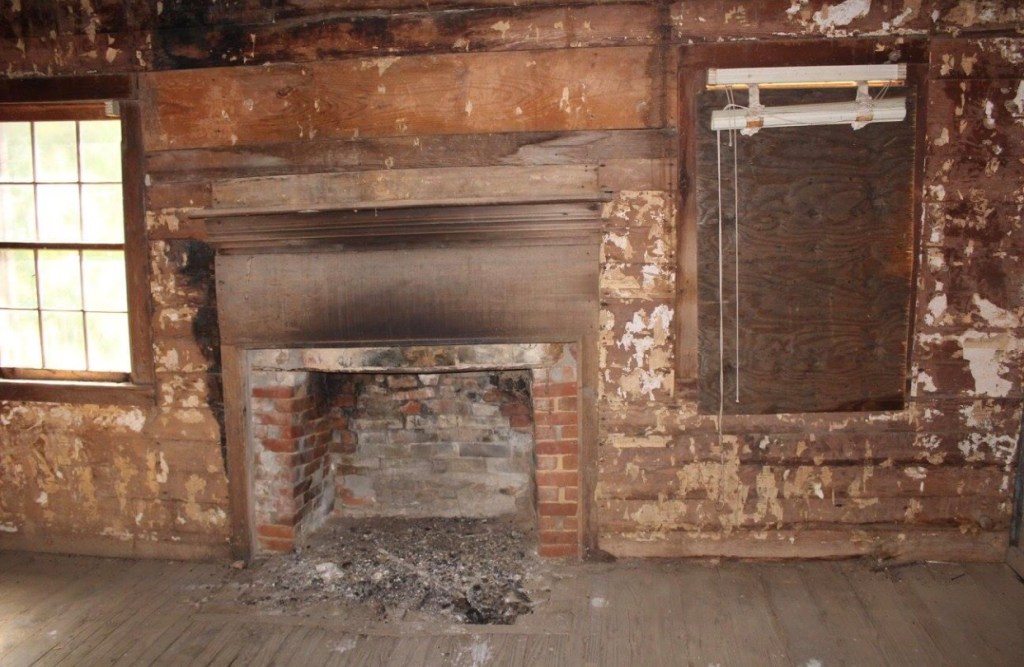
I was a little apprehensive about some parts of the house, the floors were squeaking when we walked on the boards, but I did tour the whole house. It was very dark inside. I couldn’t see where the steps were when I climbed the stairs to the second floor, but I knew that the stairs had a nice curve to them. Thankfully I had the flash on my camera when I took the pictures inside the house, so all of the details came to life when I looked back at my pictures. I could see that newspapers were still being stuck to the walls in the 1980’s. I felt as if I had been transported back in time.
One of the interesting features of the house was that it was designed with a carriage way through the house. You could drive your carriage straight through the house and continue on your way if your heart desired. Eventually a wooden floor was put in so carriages could no longer go through it, but the ends were still left open, and it became known for having a “dog run” through the house. We call those breezeways now. I can almost imagine sitting out there and letting the wind blow through on nice evenings.

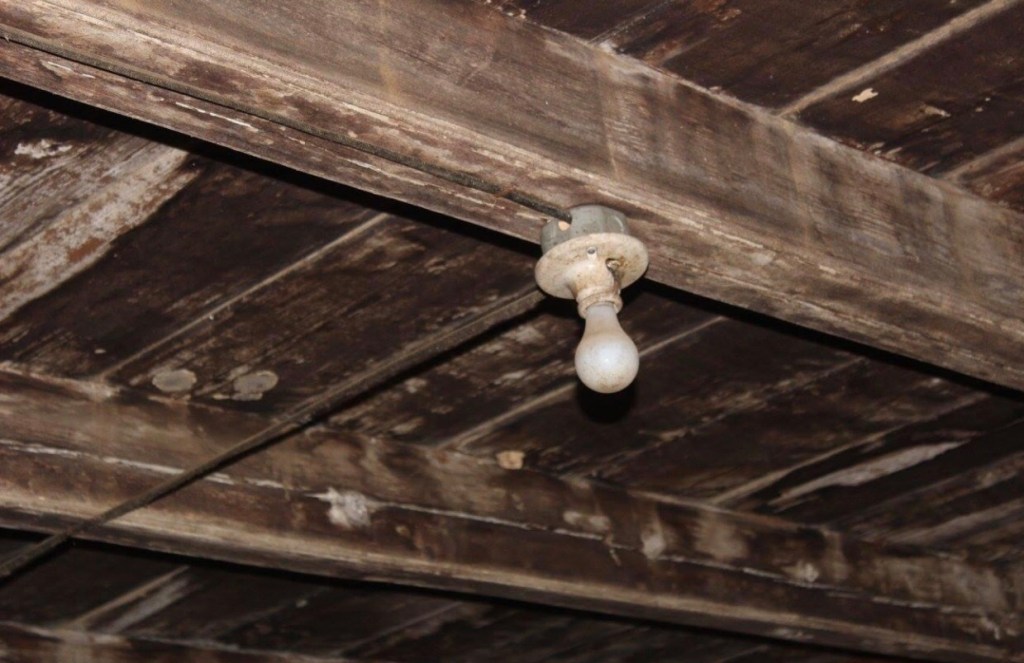
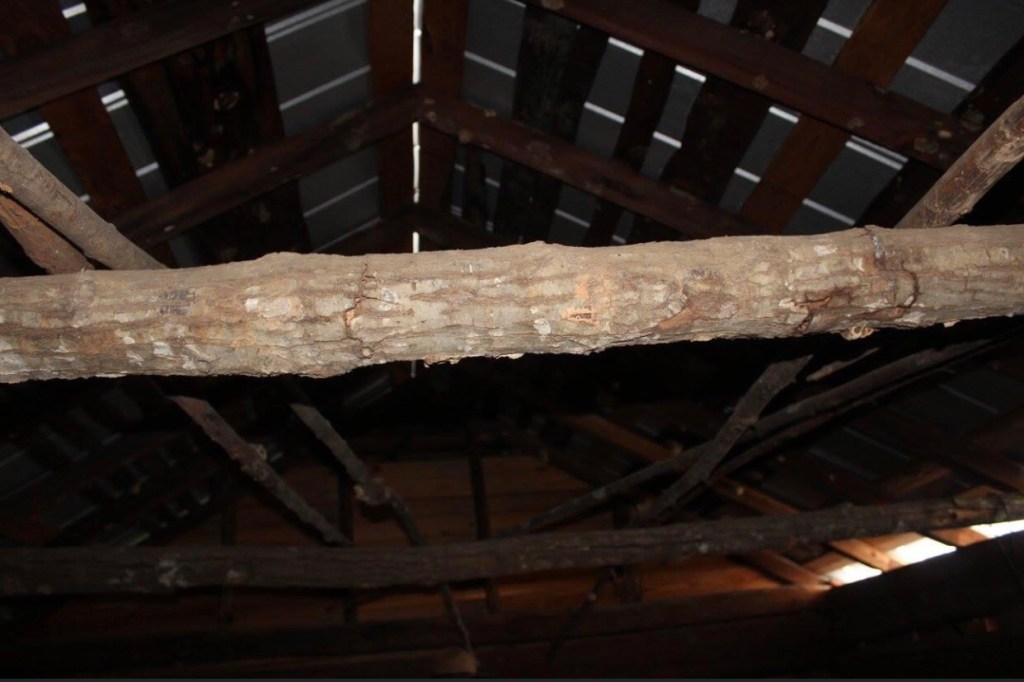
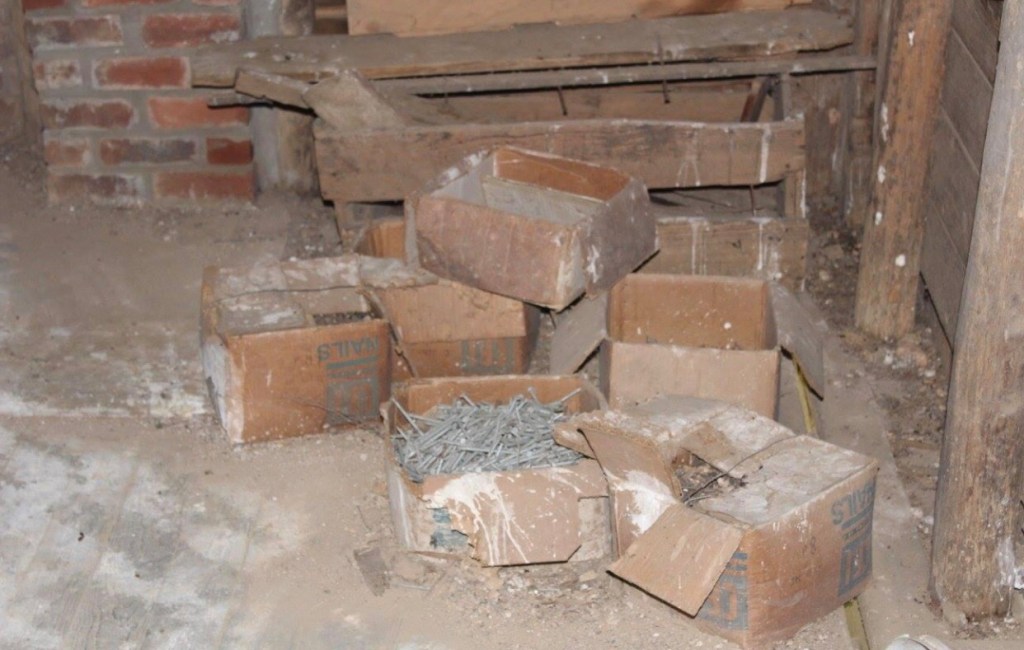


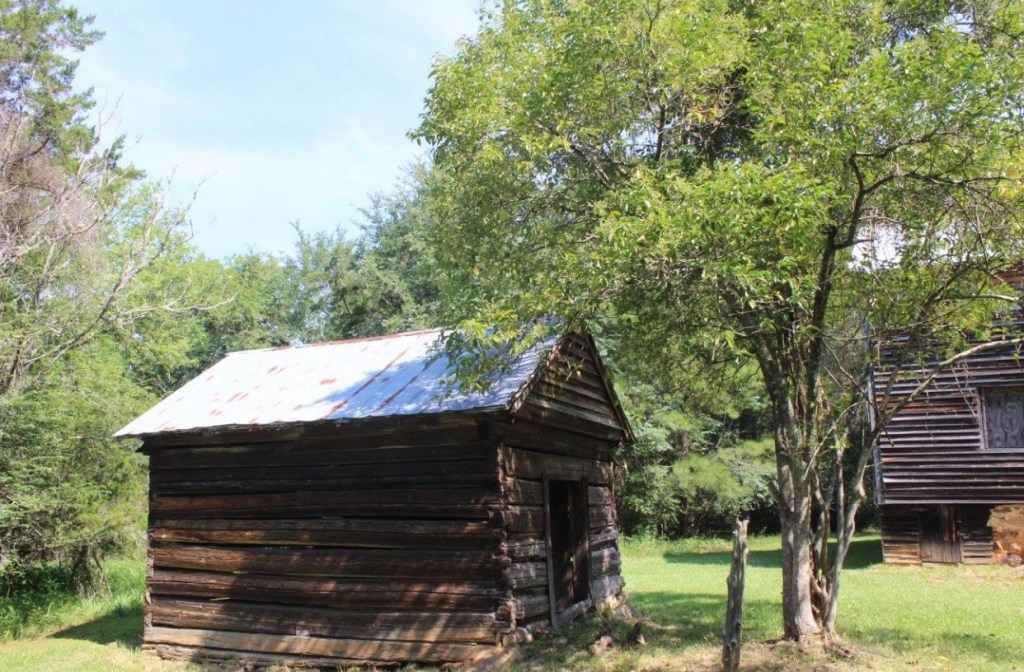
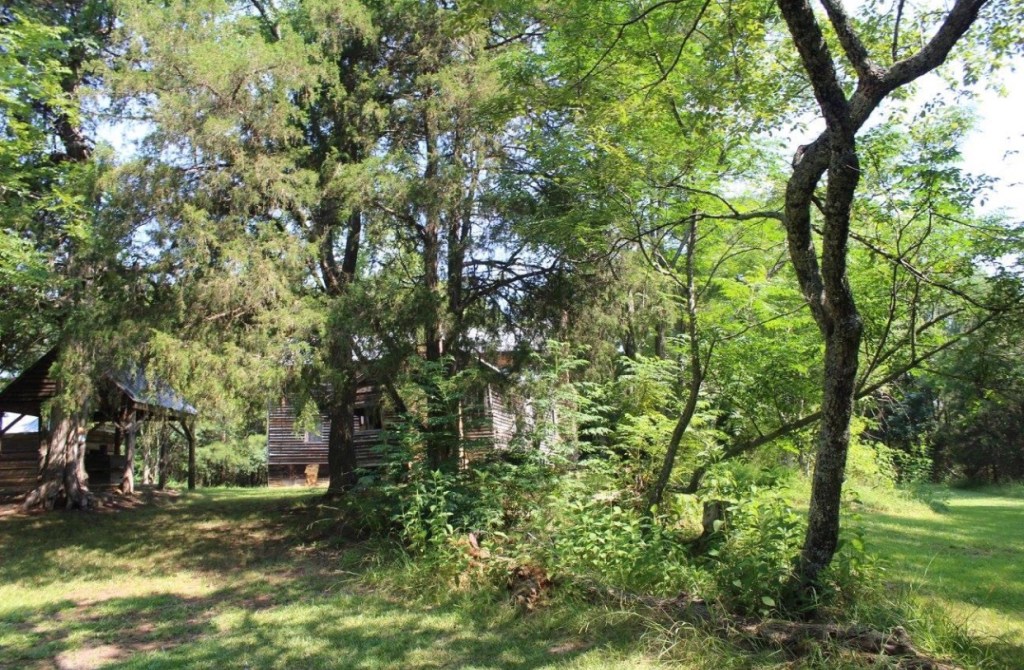
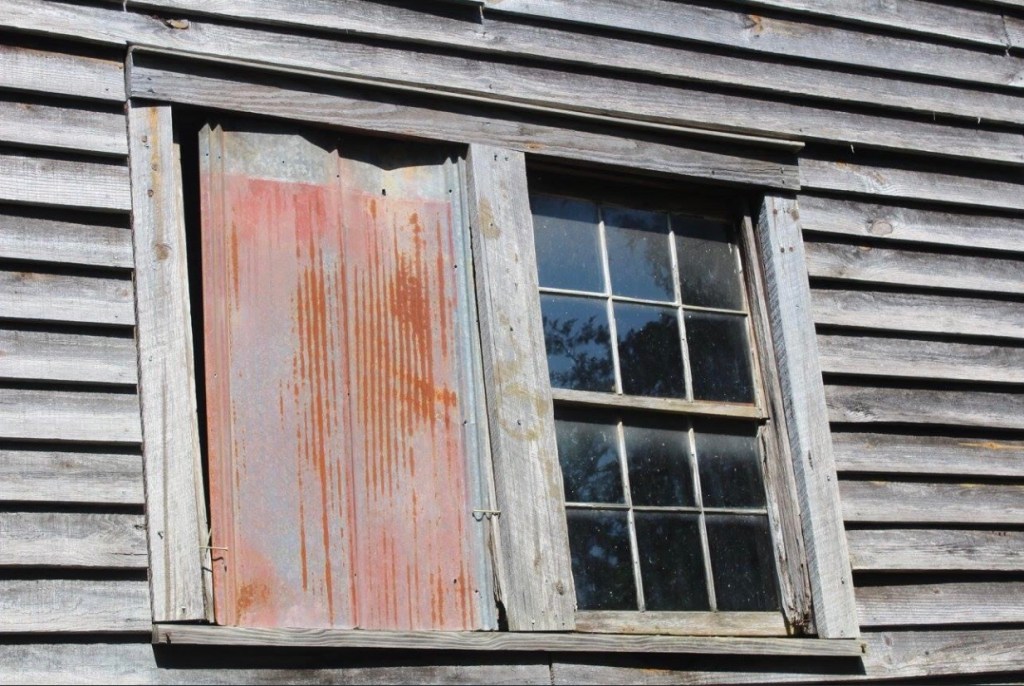
Even though the Caldwell-Hutchison Farmhouse is not open for tours, I am glad that I was fortunate enough to be able to see it and tour it at least once. It is owned by the U.S. Army Corps of Engineers and is leased to the South Carolina State Parks Service. The state parks service has done an excellent job of keeping the house up, and even makes repairs when needed to the house in the original style the house was built. I do wish that the living history farm could come to life out there one day. It would be so nice to have mules, donkeys, goats, cows, and chickens strolling around to educate people on how life was once lived not too long ago. A garden could be planted as well so people could see how the fruits and vegetables that we love to eat are grown. I know that it takes money to run places like that, but this old farm has so much potential. If you would like to learn more and see pictures of the house and the people who lived there, an excellent story is at scliving.coop under the title “The Historic House That Time Forgot.”

 travelingthesoutheast.com